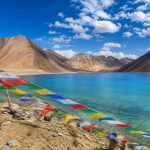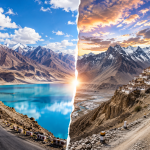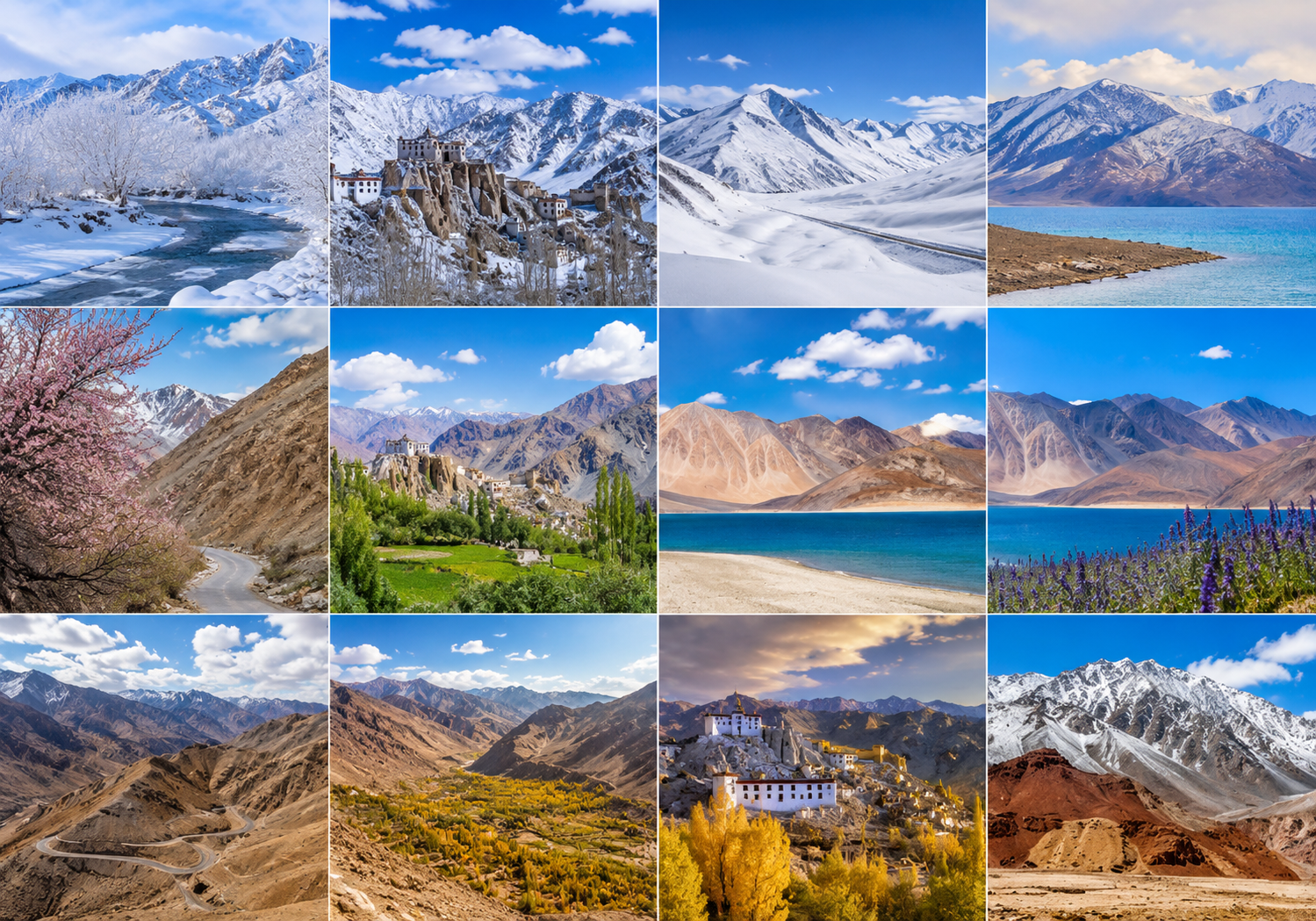

Ladakh weather is the first thing every smart traveller checks before booking a trip. This remote Himalayan destination averages 3,500 metres above sea level. Temperatures shift dramatically between day and night across every season. One bright sunny afternoon can turn into a biting cold night. If you are unprepared, the climate here can completely derail your trip.
Planning around ladakh weather means better health, safer roads, and genuinely unforgettable experiences. In this guide, we break down every month and season in clear detail. We also cover weather conditions in Nubra Valley specifically. This is where Hill Crest Hotel is located — a private, single-suite estate in Hunder village. It is one of Ladakh’s most exclusive and unique stays.
🌍 Why Ladakh Weather Is Unlike Anywhere Else in India
Ladakh is a high-altitude cold desert tucked in the rain shadow of the Himalayas. Annual rainfall here is barely 100 mm across most of the region. Despite this low precipitation, temperatures remain bitterly cold for most of the year. Altitude is the primary driver of temperature, oxygen levels, and all weather patterns.
The extreme diurnal temperature variation is the hallmark of ladakh weather. A summer afternoon in Leh can reach 30°C. By midnight, the same valley can drop to 10°C. Travellers who fail to plan for this are routinely caught off guard. Ladakh is not an ordinary hill station. Every season here carries its own extreme beauty and serious physical challenge. Acclimatisation is not optional — it is essential.
🗓️ Month-by-Month Ladakh Weather Breakdown
❄️ January & February – The Deep Freeze
January and February bring Ladakh’s most extreme and punishing conditions. Night temperatures in Leh plunge to -20°C or lower. The iconic Chadar Trek on the frozen Zanskar River takes place during these months. The Manali-Leh Highway is completely closed due to heavy snowfall.
Nubra Valley in January is cold but slightly warmer than Leh. Temperatures at Hunder drop to -15°C overnight. Very few travellers are present during this period. If you love pristine snowscapes and complete solitude, this season offers its own rare magic. Explore our full guide to Nubra Valley in winter before you plan.
🌸 March & April – The Slow Thaw Begins
March marks the gradual transition in ladakh weather from deep winter to early spring. Daytime temperatures in Leh rise to 5–10°C, while nights stay below freezing. April brings noticeably warmer days, reaching 12–15°C by afternoon. The Srinagar-Leh Highway typically reopens in early April, weather permitting.
Wildflowers begin appearing across valleys and mountain slopes. Tourist density is still very low in this window. This is a beautiful period for photographers and peaceful, crowd-free travel. Book your room at Hill Crest Hotel well in advance — even spring dates fill up quickly.
☀️ May & June – Pre-Peak Perfection
May delivers some of the most beautiful ladakh weather of the entire year. Daytime temperatures in Leh reach 18–22°C under clear, brilliant skies. Nubra Valley is warm, bright, and blooming with wildflowers. Both major highway routes to Leh are fully operational by mid-May.
June pushes temperatures to 25–28°C in Leh town. Nubra Valley can touch 30°C on the clearest afternoons. Peak tourist season officially begins in June. Bikers, families, honeymooners, and adventure seekers all arrive together. Exclusive properties like Hill Crest book up weeks in advance. Plan early with our Nubra Valley in May guide and the complete Leh Ladakh travel guide 2026.
🌩️ July & August – Peak Season Meets Occasional Storms
July and August bring Ladakh’s busiest and most vibrant tourist season. Temperatures in Leh are warm and comfortable, reaching 28–30°C. However, the Western Himalayas receive occasional rainfall during this period. Flash floods and landslides can disrupt mountain roads without any prior warning.
Despite these risks, July and August remain peak months for accessible ladakh weather and outdoor adventure. Trekking, rafting, and high-altitude biking are all in full swing. Discover the top tourist places in Ladakh ideal to explore during peak summer season.
🍂 September & October – The Golden Window
September is widely considered the golden month for ladakh weather and travel. Crowds thin out significantly after mid-September. Daytime temperatures stay comfortable at 15–20°C. The skies are impossibly clear and deeply blue. Landscapes shift to stunning shades of amber, gold, and russet. This is the finest month for landscape photography in all of Ladakh.
October sees temperatures dropping fast. Daytime highs reach only 8–12°C by late October. Mountain roads begin closing from mid-October. This is your final window before the hard Ladakh winter arrives. Plan your trip timing with our complete best time to visit Ladakh guide.
🌨️ November & December – Early Winter Returns
By November, ladakh weather turns harsh and unforgiving once again. Night temperatures crash below -10°C very quickly. The Manali-Leh Highway closes completely by mid-November. Leh Airport remains operational year-round, providing reliable air access through winter. December is bitterly cold but extraordinarily scenic. Snowfall blankets the Indus Valley and Nubra region in a perfect white silence.
🏔️ Nubra Valley Weather – What to Expect at Hill Crest
Nubra Valley sits approximately 120 km from Leh at an altitude of 3,050 metres. This lower elevation makes Nubra Valley noticeably warmer than Leh for most of the year. The Hunder sand dunes near Hill Crest Hotel experience milder summer temperatures. In peak summer, daytime temperatures reach 28–32°C. Nights cool to a comfortable 10–15°C even in July.
The microclimate of Nubra Valley blends cold Himalayan river air with warm desert terrain. This creates a uniquely layered environment found nowhere else in India. Mornings are crisp and clear. Afternoons are warm and golden. Evenings call for a fleece jacket on the terrace. Understanding local ladakh weather patterns is essential when planning your Nubra stay. Read our best time to visit Nubra Valley guide for a complete seasonal breakdown.
💡 Pro Tip from Hill Crest: The window between May and September gives you the best Nubra Valley experience — warm days, clear skies, and fully open roads. Our private estate is exclusively yours for every moment of your stay.
🎒 What to Pack for Every Season in Ladakh
Packing correctly for Ladakh is non-negotiable. Every season demands a specific set of clothing and gear.
| 📅 Season | 🌡️ Temp Range | 🎒 Must-Pack Essentials |
|---|---|---|
| ❄️ Winter (Nov–Feb) | -20°C to 5°C | Heavy thermals, down jacket, snow boots, balaclava, hand warmers |
| 🌸 Spring (Mar–Apr) | -5°C to 15°C | Mid-layer fleece, waterproof jacket, warm socks, light woolens |
| ☀️ Summer (May–Aug) | 10°C to 30°C | Light tees, SPF 50+ sunscreen, UV sunglasses, one down jacket |
| 🍂 Autumn (Sep–Oct) | 5°C to 22°C | Light layers, down jacket, trekking shoes, lip balm |
Altitude sickness is a real concern at Leh’s 3,524 metres elevation. Carry Diamox only if your doctor has specifically prescribed it. Drink 3–4 litres of water every day without fail. Avoid intense physical activity for the first 48 hours after arriving.
Road travellers should read our Ladakh trip from Delhi guide for in-depth acclimatisation advice and route planning.
📊 Ladakh Weather – Quick Reference Facts
| 📌 Parameter | 📈 Details |
|---|---|
| Annual Rainfall | ~100 mm (cold desert climate) |
| Peak Summer Temp | ~33°C (Nubra Valley, July) |
| Coldest Recorded | -30°C (Leh, January nights) |
| Best Travel Months | May, June, September |
| Road Season | May to October |
| Peak Snowfall | January to March |
🌟 Experience Nubra Valley in Complete Privacy
Hill Crest Hotel in Hunder is Ladakh’s only single-suite private estate. Wake up to Himalayan mountain views, stargaze from your private terrace, and enjoy personalised Ladakhi meals prepared exclusively for you.
📞 Call: 6005299209
📧 hillcrestladakh@gmail.com
🧭 Planning Tips Based on Ladakh Weather
Use ladakh weather as your primary planning filter — not just social media photos. Here are six essential tips from our team at Hill Crest and experienced Himalayan travellers.
✈️ Book your flights well in advance. Leh airport seats sell out fast in peak season. Book at least 6–8 weeks ahead. Always leave a 24-hour rest buffer in Leh before heading to Nubra Valley.
🛣️ Check road conditions before travel. The Leh-Nubra route crosses Khardung La at 5,359 metres. It is weather-sensitive and can close without warning. Read our Leh to Nubra Valley road trip guide before you drive.
🧘 Rest on your arrival day. Altitude affects every traveller differently. Give your body at least one full rest day before strenuous activities. Rushing is the single biggest mistake first-time visitors make.
🗓️ Stay flexible on your return dates. Fog and low visibility at Leh Airport frequently delay or cancel flights. Build flexibility into your return booking to avoid last-minute panic or missed connections.
🛡️ Travel insurance is essential. High-altitude travel carries weather-related risks that are real and unpredictable. Cover yourself for medical evacuation, road closures, and trip cancellations. Understanding ladakh weather reduces your risk significantly — but never eliminates it entirely.
📱 Stay connected for weather alerts. Mountain weather can shift in hours, especially on passes. Keep the BRO road helpline and local authority contacts saved before heading out.
🎯 Book Your Exclusive Ladakh Retreat Today
Hill Crest Nubra hosts only one group at a time — complete privacy, a personal host, a dedicated chef, and guided walks across Hunder’s cold desert landscape.
📞 6005299209
❓ Frequently Asked Questions About Ladakh Weather
Q1. What is the best month to visit Ladakh weather-wise?
May, June, and September offer the most balanced and accessible conditions for travel. Clear skies, open roads, and comfortable temperatures make all three months ideal. September is especially popular for lower crowds and spectacular golden-amber landscapes. Read our best time to visit Ladakh guide for a complete season-by-season breakdown.
Q2. Does Ladakh receive monsoon rainfall?
Ladakh receives very little rainfall even during the Indian monsoon season. The Himalayan range blocks most moisture coming from the Bay of Bengal. However, the Western Himalayas bring occasional rainfall in July and August. Flash floods and landslides on mountain roads remain a real possibility during this period.
Q3. What is the temperature in Nubra Valley in summer?
Nubra Valley summer daytime temperatures range from 18°C to 32°C. Nights cool down to a pleasant 10–15°C even in July. It is comfortably warm during the day for light clothing. Always carry a fleece or light jacket for early mornings and evenings.
Q4. What should I pack for a September Ladakh trip?
September ladakh weather is pleasant during the day but transitions toward colder nights quickly. Pack light layers for daytime and a quality down jacket for evenings. Comfortable trekking shoes, SPF 50+ sunscreen, and lip balm are all essential. Refer to our packing table above for a complete checklist.
Q5. When do mountain roads in Ladakh typically close?
The Manali-Leh Highway usually closes by mid-November and reopens in late April. The Srinagar-Leh Highway stays open longer — sometimes into early December. Leh Airport operates year-round, making air travel the most reliable option in off-season months.
Q6. Is Hill Crest Hotel open in winter?
Yes, Hill Crest Nubra is open for guests arriving by air through the winter months. We provide a warm, private, fully-equipped retreat in Hunder, Nubra Valley. Contact us at hillcrestladakh@gmail.com or call 6005299209 to confirm winter dates and special arrangements.