
Leh Ladakh travel guide — three words that open a door to one of the most extraordinary travel destinations on the planet. Ladakh, the crown jewel of the Indian Himalayas, is a land of staggering contradictions: barren mountains that pulse with colour, ancient monasteries that hum with living faith, frozen rivers that turn to turquoise lakes in summer, and a silence so vast it becomes its own kind of sound. Every year, hundreds of thousands of travellers make the journey to Leh — and every single one of them wishes they had come sooner.
But Ladakh is not a destination you can approach casually. The altitude, the permits, the road conditions, the seasonal windows — all of it demands careful preparation. That is precisely why this Leh Ladakh travel guide exists. At Hillcrest Ladakh, we are based in the heart of this remarkable region, and we have distilled everything a traveller needs — first-timer or returning visitor — into one comprehensive, honest, and thoroughly up-to-date resource. Read on, and arrive ready.
Leh Ladakh at a Glance: Key Facts for 2026
Before diving into the details of this Leh Ladakh travel guide , here are the essential facts every traveller should know:
- Location: Union Territory of Ladakh, northern India, bordering China and Pakistan.
- Altitude of Leh city: 3,524 metres (11,562 feet) above sea level.
- Best time to visit: May to September for most travellers; January to February for the Chadar frozen river trek.
- Nearest airport: Kushok Bakula Rimpochhe Airport, Leh — direct flights from Delhi, Mumbai, Srinagar, and Jammu.
- Official language: Ladakhi, Hindi, and Urdu; English widely understood in tourist areas.
- Currency: Indian Rupee (INR). ATMs available in Leh city; limited or unavailable in remote areas.
- Permits required: Inner Line Permit (ILP) for restricted areas including Pangong Tso, Nubra Valley, and Hanle.
How to Reach Leh Ladakh in 2026
The first chapter of any practical Leh Ladakh travel guide must address the journey itself. Getting to Leh is an adventure before the adventure begins.
By Air — The Quickest Route
Flying into Leh is the fastest and most recommended option for most travellers, particularly those with limited time or health concerns about high-altitude acclimatisation. Kushok Bakula Rimpochhe Airport is one of India’s highest commercial airports. IndiGo, Air India, GoAir, and SpiceJet operate regular daily flights from Delhi (approximately 1 hour 15 minutes). Flights from Mumbai, Chandigarh, and Srinagar are also available seasonally. Book early — Leh flights fill up rapidly between June and August, and prices spike considerably closer to the date.
By Road via Manali — The Epic Highway
The Manali-Leh Highway (NH3) is 479 kilometres of pure Himalayan drama — arguably one of the greatest road journeys in the world. The route crosses five high-altitude passes including the famous Rohtang La, Baralacha La, and Tanglang La (5,328 m), and takes two days with an overnight halt typically at Sarchu or Jispa. The highway is generally open from mid-May to mid-October, subject to snowfall and road conditions. Travellers in private vehicles, shared taxis, and motorcycles all use this route. It is not for the faint-hearted, but it is utterly unforgettable.
By Road via Srinagar — The Scenic Valley Route
The Srinagar-Leh Highway (NH1) stretches 434 kilometres through the Kashmir Valley, past Sonamarg, over the Zoji La Pass, and through Kargil before arriving in Leh. This route opens slightly earlier in spring than the Manali highway and passes through some of Ladakh’s most culturally significant towns. The drive typically takes two days with an overnight in Kargil. Given the region’s geopolitical sensitivity, travellers should check current advisories before choosing this route.
Top Places to Visit in Leh Ladakh
No Leh Ladakh travel guide is complete without a thorough rundown of the region’s must-see destinations. Here are the highlights:
Pangong Tso Lake
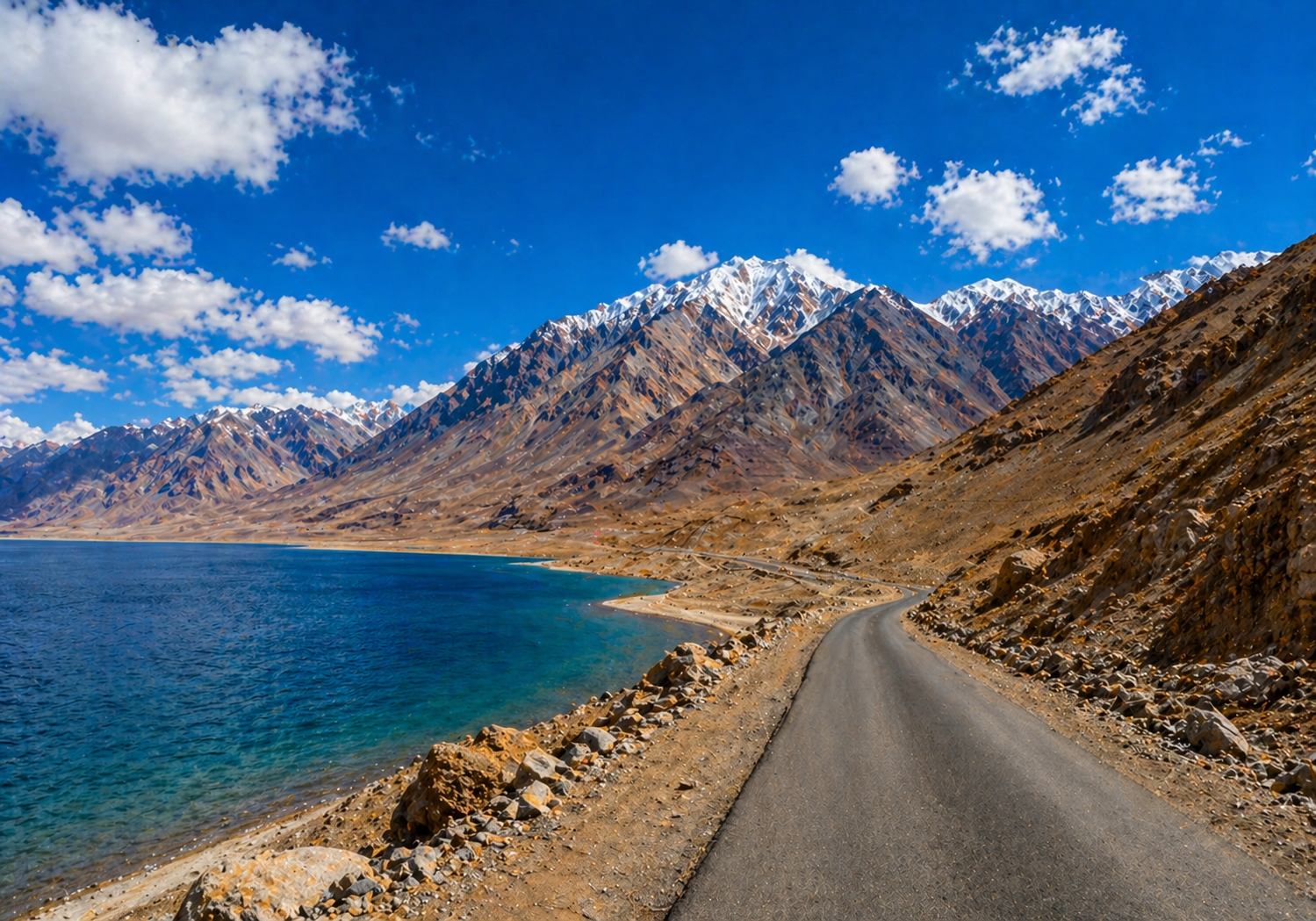
At 4,350 metres above sea level, Pangong Tso stretches 134 kilometres across the India-China border and shifts through more shades of blue than any painter could convincingly render. The lake’s banks are accessible by road from Leh (approximately 5 hours via Chang La Pass) and offer breathtaking camping and photography. An Inner Line Permit is required.
Magnetic Hill
Located 30 kilometres from Leh on the Leh-Kargil highway, Magnetic Hill is a gravity-defying optical illusion where vehicles placed in neutral appear to roll uphill. It is one of Ladakh’s most popular roadside stops and a guaranteed conversation piece. The nearby Sangam — the confluence of the Indus and Zanskar rivers — is equally unmissable.
Thiksey Monastery
Rising twelve storeys above the Indus Valley, Thiksey is Ladakh’s most photogenic monastery — its whitewashed tiers stacked dramatically against a backdrop of bare brown mountains. The 15-metre Maitreya Buddha statue inside is one of the largest in Ladakh. The pre-dawn puja ceremony at 6 a.m. is a deeply moving experience.
Shanti Stupa
Perched on a hilltop overlooking Leh town, the gleaming white Shanti Stupa built by Japanese Buddhist monks in 1991 offers the finest panoramic view of the city and surrounding Stok Kangri range. The climb involves around 500 steps and is manageable for most fitness levels. Sunset here is one of Ladakh’s most iconic experiences.
Tso Moriri Lake
Less visited than Pangong but arguably more beautiful, Tso Moriri sits at 4,522 metres in the remote Changthang plateau. The lake is a Ramsar-designated wetland, home to black-necked cranes, bar-headed geese, and Tibetan wild ass. The landscape surrounding the lake — rolling grasslands, nomadic camps, and snow-capped horizons — is hauntingly serene.
Leh Palace and Old Town
The nine-storey Leh Palace, built in the 17th century by King Sengge Namgyal, dominates the skyline above the old city. Wandering through the old town’s labyrinthine lanes — past spinning prayer wheels, butter-tea vendors, and centuries-old chortens — is one of the most atmospheric urban experiences in the Himalayas.
Lamayuru Monastery — The Moonland
Sitting amidst one of Ladakh’s most otherworldly landscapes — eroded clay formations that resemble a lunar surface — Lamayuru is Ladakh’s oldest monastery, dating back over 1,000 years. The surrounding moonland terrain makes it one of the most dramatic photography destinations in the entire Leh Ladakh region.
Altitude Sickness: The Essential Advice No Traveller Should Skip
Every credible Leh Ladakh travel guide must address altitude sickness directly and honestly. At 3,524 metres, Leh city sits higher than most Alpine resorts, and the passes you cross to reach it or explore further (Khardung La at 5,359 m, Chang La at 5,360 m) are significantly higher still. Acute Mountain Sickness (AMS) affects a meaningful proportion of visitors regardless of age or fitness level.
Follow these non-negotiable rules:
- Rest for the first 24 to 48 hours after arriving in Leh. Do not plan sightseeing on your arrival day.
- Drink 3 to 4 litres of water daily. Avoid alcohol for the first 48 hours.
- Consult a doctor about Diamox (Acetazolamide) before travelling — it is widely used for AMS prevention.
- Children, elderly travellers, and those with heart or lung conditions should seek medical clearance before visiting.
Food and Cuisine: What to Eat in Leh Ladakh
Ladakhi cuisine is hearty, warming, and deeply satisfying at altitude — and any thorough Leh Ladakh travel guide must celebrate it. The staple dishes every visitor should try include:
- Thukpa — a nourishing noodle soup made with vegetables or meat, the definitive Ladakhi comfort food.
- Momos — steamed or fried dumplings filled with vegetables, paneer, or meat, served with fiery chilli chutney.
- Skyu — a slow-cooked stew of hand-rolled pasta pieces with root vegetables, warming and deeply flavourful.
- Tsampa — roasted barley flour mixed into butter tea or water; the traditional Ladakhi staple food.
- Butter Tea (Po Cha) — a salted, buttery, milky tea made from yak butter and brick tea. Unusual for first-timers but warming at altitude.
- Apricot jam and fresh apricots — Ladakh produces some of India’s finest apricots, best enjoyed in summer.
Leh town has an excellent range of restaurants serving North Indian, Tibetan, Chinese, and Continental cuisine. The main bazaar area and Fort Road concentrate the highest density of quality eateries.
Essential Travel Tips for Leh Ladakh 2026
The following practical tips round out this Leh Ladakh travel guide and cover the details that make the difference between a stressful trip and a seamless one:
- Mobile connectivity: Airtel and BSNL have the widest coverage in Leh city. Connectivity drops significantly outside city limits. Download offline maps (Google Maps or Maps.me) before departing Leh.
- Cash: ATMs in Leh are functional but limited. Remote areas including most lakes and valleys have no ATM access. Withdraw sufficient cash in Leh before heading out.
- Fuel: Petrol stations are available in Leh and a few major towns. Carry a jerry can for long remote drives.
- Sunscreen and UV protection: The UV index at altitude is extreme. SPF 50+ sunscreen, UV-blocking sunglasses, and wide-brimmed hats are essential even on overcast days.
- Clothing: Layers are essential. Days can be warm (20–25°C in summer) but evenings and mornings drop to near freezing. A quality down jacket is essential year-round.
- Medical kit: Carry a basic kit including altitude medication, oral rehydration salts, blister plasters, antihistamines, and painkillers. Medical facilities beyond Leh’s SNM Hospital are limited.
- Plastic waste: Ladakh is an ecologically fragile region. Carry a reusable water bottle, refuse single-use plastic, and take all waste out of wilderness areas.
Where to Stay: Accommodation in Leh Ladakh
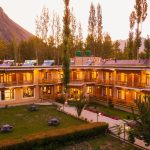
Leh city offers accommodation across every budget tier — from dormitory guesthouses to boutique heritage hotels. For travellers seeking something beyond the ordinary, Hillcrest Ladakh represents a different philosophy entirely. Located in the heart of the Nubra Valley in Hunder, Hillcrest is a single-suite private estate: a 2-acre property exclusively yours for the duration of your stay. One party, one property. No shared spaces, no strangers at the next breakfast table — just total privacy, dedicated staff, and a curated Ladakh experience designed entirely around your family or group.
This Leh Ladakh travel guide recommends Hillcrest Ladakh for travellers who want the finest possible balance of comfort, authenticity, and personal service in the region. Our in-house travel desk handles permits, day trips to all the destinations covered in this guide, and custom itineraries built precisely around your interests and pace. Visit us at hillcrestladakh.com to check availability — we host only one party at a time, so early booking is essential.
Conclusion
This Leh Ladakh travel guide has covered the full spectrum of what you need to arrive informed, travel confidently, and leave transformed. Leh Ladakh is not simply a destination on a map — it is an experience of the world at its most elemental: raw mountains, ancient faith, extreme altitude, and a human warmth that surprises every visitor who expected only wilderness.
Use this Leh Ladakh travel guide as your foundation. Layer it with your own curiosity, your own pace, and your willingness to be surprised. And when you are ready to experience Ladakh at its very best, let Hillcrest Ladakh be your home in the Himalayas. We are waiting for you.
Frequently Asked Questions (FAQs)
Q. Is Leh Ladakh safe to visit in 2026?
Yes. Leh Ladakh is one of India’s safest travel destinations. Crime rates are extremely low and the local population is exceptionally welcoming. Travellers should stay updated on border region advisories and check current road conditions before travel, but the region is safe for solo travellers, families, and groups alike.
Q. How many days are enough for a Leh Ladakh trip?
A minimum of 7 nights is recommended to experience Leh Ladakh meaningfully, including acclimatisation days. Ten to fourteen nights allows you to cover Leh, Pangong Tso, Tso Moriri, and day trips to monasteries at a comfortable pace. Rushing Ladakh into 3 or 4 days is possible but does not do justice to the region’s depth.
Q. What is the budget for a 7-day Leh Ladakh trip?
A mid-range traveller can expect to spend between INR 25,000 and INR 45,000 for 7 days in Leh Ladakh, covering accommodation, food, local transport, permits, and activities. Flights from Delhi add INR 6,000 to INR 18,000 depending on how early you book. Luxury travellers should budget INR 70,000 and above.
Q. Do I need any permits to visit Leh Ladakh?
Visiting Leh city itself does not require a permit. However, an Inner Line Permit (ILP) is required for restricted areas including Pangong Tso, Tso Moriri, Nubra Valley, and Hanle. Foreign nationals may require an additional Protected Area Permit (PAP). Permits are easily obtained online or through registered travel agents in Leh.
Q. Is Leh Ladakh suitable for first-time travellers?
Absolutely, provided you plan carefully. The key elements for a successful first visit — covered in this Leh Ladakh travel guide — are booking flights and accommodation well in advance, allowing acclimatisation time on arrival, carrying cash and offline maps, and organising permits before heading to restricted zones. With these in place, first-time visitors consistently have extraordinary experiences.
Q. What makes Hillcrest Ladakh different from other accommodation options?
Hillcrest Ladakh is a single-suite private estate in Hunder, Nubra Valley, meaning the entire 2-acre property is exclusively yours during your stay. There are no other guests, no shared facilities, and no compromise on privacy. A personal host, chef, and guide are dedicated solely to your party. It is ideal for couples, families, and groups seeking a truly immersive and private Ladakh experience.