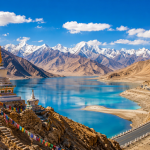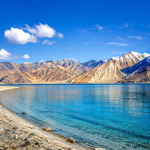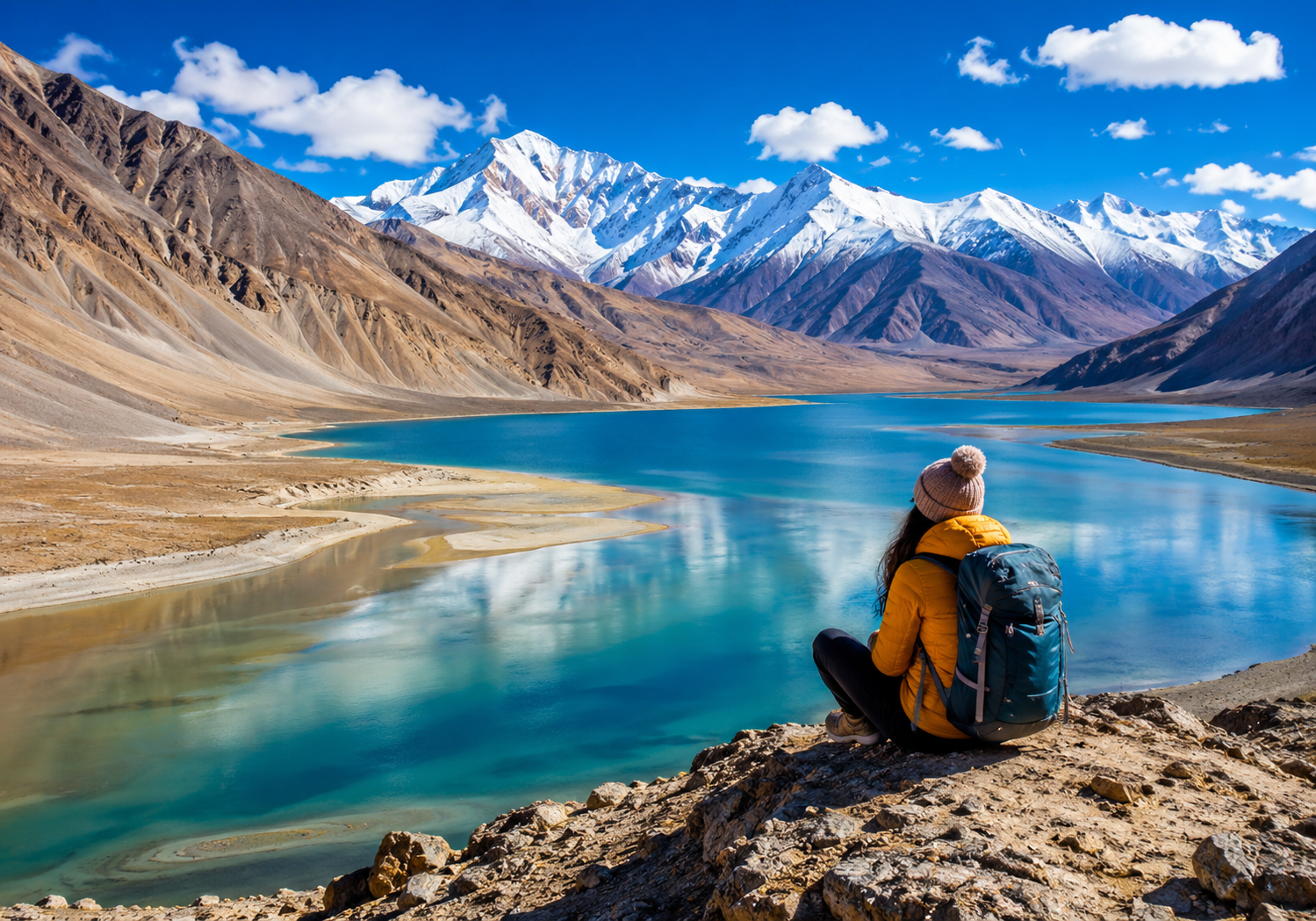

What is special about Leh Ladakh? It is the only place in India where desert sand and glacier ice sit side by side. Mountains rise past 5,000 metres here. Rivers run turquoise through dry, brown valleys below. Ancient monasteries cling to cliff edges above winding roads. This cold desert feels like another planet. Yet it remains proudly, unmistakably part of India. Travelers return home changed, not just tanned. Many still ask what is special about Leh Ladakh long after their trip ends. This guide answers that question section by section. Every detail here comes from real travel experience, not guesswork.
What is Special About Leh Ladakh’s Sky-High Landscape? 🏔️
Ladakh sits at an average altitude of 3,500 metres above sea level. Leh town itself is higher than most Himalayan hill stations combined. Khardung La, one of the world’s highest motorable passes, opens near 5,359 metres. Nubra Valley, home to our own Hill Crest Nubra, adds double-humped Bactrian camels on real sand dunes. That desert-in-the-sky landscape is genuinely what is special about Leh Ladakh. Magnetic Hill near Leh creates an optical illusion that pulls vehicles uphill. Lamayuru’s eroded cliffs resemble a moonscape, earning it the nickname Moon Land. You get glaciers, dunes, and barren peaks within one day’s drive. Few destinations on Earth pack this much geological drama into one region. Photographers often call it a lifetime portfolio inside a single trip.
What is Special About Leh Ladakh’s Culture and Monasteries? 🙏
Buddhist culture here feels lived-in, not staged for tourists. Thiksey Monastery rises like a mini Potala Palace over the Indus. Hemis Monastery hosts a famous masked-dance festival every summer. Diskit Monastery in Nubra guards a giant 32-metre Buddha statue. Locals still spin prayer wheels during their ordinary morning walk. This living heritage is exactly what is special about Leh Ladakh for culture seekers. Shanti Stupa near Leh offers panoramic views and quiet reflection at sunset. Losar, the Ladakhi New Year, fills villages with music, food, and colour. Monks welcome visitors with genuine warmth, not rehearsed scripts. You leave with more than photographs; you leave with perspective. Few regions in India protect tradition this carefully while staying open to guests.
What is Special About Leh Ladakh’s Lakes and Rivers? 💧
Pangong Tso stretches across two countries, changing colour through the day. Tso Moriri sits quieter, ringed by wildlife and open grassland. The Indus and Zanskar rivers carve valleys that feel sculpted by patient hands. This ever-changing water inside a dry desert is what is special about Leh Ladakh. Confluence points, like Sangam near Nimmu, show two rivers merging in sharp colour contrast. Chumathang’s natural hot springs offer a warm surprise at freezing altitude. Fishermen and monks share the same riverbank without any visible tension. Reflections of snow peaks on still lake water rarely disappoint photographers. It remains a landscape that rewards patience and early mornings.
What is Special About Leh Ladakh’s Adventure Scene? 🚵
Adrenaline seekers find no shortage of options across this region. Rafting on the Zanskar river tests nerve and technique together. Mountain biking down Khardung La has become a bucket-list ride worldwide. Trekkers walk the frozen Chadar trail across the Zanskar river in winter. This raw, high-altitude adventure is precisely what is special about Leh Ladakh. Ladakh is also considered the birthplace of modern polo as we know it. Archery festivals still draw competitive crowds in villages across the region. Motorbike trips from Manali or Srinagar attract riders every single summer season. Camping under zero-light-pollution skies near Nubra reveals stars city dwellers rarely see. Even a simple walk through Hunder’s dunes feels like a small expedition.
What is Special About Leh Ladakh’s Food and Local Hospitality? 🍲
Ladakhi food blends Tibetan, Kashmiri, and local mountain influences beautifully. Thukpa and momos warm travelers after a long day of driving. Apricot orchards around Leh and Nubra produce fruit found nowhere else in India. Butter tea surprises first-time visitors, then quickly becomes a comfort drink. This warm hospitality inside a harsh climate is what is special about Leh Ladakh. Local families often serve meals grown within a short walk of their kitchen. At Hill Crest Nubra, our own kitchen serves Ladakhi meals prepared the traditional way. Hosts here treat guests like family, not transactions passing through. That personal touch stays with travelers long after they leave.
What is Special About Leh Ladakh’s Night Sky? ✨
Ladakh’s thin, dry air creates some of India’s clearest night skies. Hanle, in eastern Ladakh, is home to India’s first Dark Sky Reserve. Astronomers travel here specifically to see the Milky Way without any interference. This untouched stargazing experience is another reason people ask what is special about Leh Ladakh. Even near Hunder, city lights never reach the sky above your tent. Guests at Hill Crest Nubra often step outside just to look up. A single clear night here can outshine years of city stargazing.
What is Special About Leh Ladakh for Families and Couples? 👨👩👧
Ladakh works surprisingly well for both quiet honeymoons and family trips. Couples often choose Nubra for its privacy and dramatic desert-mountain backdrop. Families appreciate short, scenic drives between monasteries, dunes, and calm riverbanks. Camel rides on Hunder’s dunes delight children more than any screen ever could. This flexibility across traveler types is genuinely what is special about Leh Ladakh. Slower itineraries also help everyone acclimatize safely to the altitude. A private stay, away from crowded hotels, makes the experience feel personal. That is exactly what is special about Leh Ladakh when you choose the right base.
Quick Facts About Leh Ladakh 📋
A few verified numbers help explain what is special about Leh Ladakh at a glance.
- Average altitude: around 3,500 metres above sea level.
- Highest motorable pass nearby: Khardung La, near 5,359 metres.
- Best months to visit: June to September for open roads.
- Permit required: Inner Line Permit for Nubra and Pangong.
- Ideal trip length: seven to nine days for a relaxed pace.
These facts come from local tourism data and years of hosting travelers. Knowing them in advance makes planning far less stressful.
Special About Leh Ladakh in Every Season? 🌸❄️
Summer, from June to August, brings open roads and clear mountain passes. Daytime temperatures in Leh hover comfortably between 15 and 25 degrees Celsius. Spring paints apricot orchards pink across Leh and Nubra villages. Autumn cools the air and thins the crowds significantly by October. Winter transforms Ladakh into a frozen, silent wonderland few dare to visit. Temperatures can fall below minus twenty degrees during peak winter months. This dramatic seasonal shift is genuinely what is special about Leh Ladakh year-round. Each season rewards a different kind of traveler and mindset. For a full month-by-month breakdown, read our detailed guide on the best time to visit Ladakh. Planning around the right season changes the entire trip experience.
Where to Stay to Experience What Makes Leh Ladakh Special 🏡
Your stay shapes how deeply you experience this region. Hill Crest Nubra sits in Hunder, beside the famous sand dunes. We host only one private party at a time, on a two-acre estate. Mountains meet desert right outside your window here. Guests get a dedicated host, chef, and guide for their entire stay. Zero-light-pollution stargazing happens right from your private deck at night. This is what is special about Leh Ladakh when paired with the right property. Explore our rooms and nearby attractions before you plan your dates. Read our full breakdown of the best hotel in Leh Ladakh for a deeper comparison.
If your Himalayan itinerary also stretches toward Himachal, consider pairing Ladakh with a Manali stop. 🏔️ Alooma Valley View Stay in Old Manali offers a peaceful homestay with valley views and warm hospitality. You can check availability and book directly here. Two very different Himalayan experiences, both worth your time and attention.
How to Reach Leh Ladakh 🛬
Flights land directly at Kushok Bakula Rimpochee Airport in Leh. Road trips from Manali or Srinagar take two full days minimum. An Inner Line Permit is mandatory for Nubra, Pangong, and several border areas. Hotels can often help arrange this paperwork before you arrive. Acclimatize in Leh for at least a full day before heading higher. This altitude-first approach keeps travelers safe and healthy throughout the trip. Rushing straight to Khardung La or Pangong raises the risk of altitude sickness. Drink extra water and avoid alcohol during your first two days here. Carry basic medication for headaches, since mild symptoms are common at first. For a complete planning walkthrough, see our Leh Ladakh travel guide. Booking your stay and permits early avoids last-minute stress during peak season.
Frequently Asked Questions (FAQs)🙋
Q1. What is special about Leh Ladakh compared to other Himalayan destinations?
Ladakh combines cold desert, glaciers, and Tibetan Buddhist culture in one region. No other Indian destination offers this exact geological and cultural mix.
Q2. Is Leh Ladakh safe for solo and first-time travelers?
Yes, Ladakh is generally very safe for solo travelers, including women. Read our detailed guide on Leh Ladakh safety for girls for specifics.
Q3. What is the best time to visit for clear mountain views?
June through September offers the clearest roads and mountain visibility. Ladakh in July is especially popular for open passes and blue skies.
Q4. Do I need a permit to visit Nubra Valley or Pangong Tso?
Yes, an Inner Line Permit is required for both regions. Hotels like Hill Crest Nubra can guide you through the process.
Q5. Where should I stay to experience Ladakh authentically?
Boutique stays like Hill Crest Nubra offer authentic Ladakhi hospitality and privacy. Staying in Hunder places you near dunes, monasteries, and mountain views.
Q6. How many days are enough to see what is special about Leh Ladakh?
Seven to nine days let you cover Leh, Nubra, and Pangong comfortably. Shorter trips risk altitude sickness from rushing between high passes.
Q7. Is Ladakh worth visiting more than once?
Absolutely, since each season completely transforms the landscape and experience. Many travelers return specifically to see winter’s frozen rivers and empty roads.
Q8. What is special about Leh Ladakh for a honeymoon trip?
Privacy, dramatic scenery, and quiet stays make it ideal for couples. A boutique property like Hill Crest Nubra adds a personal, romantic touch.
Final Thoughts
So, what is special about Leh Ladakh, really? It is the desert beside the glacier. It is the monastery beside the highway. It is silence at 5,000 metres and warmth inside a Ladakhi kitchen. It is a night sky that reminds you how small you are. It is camel tracks on sand dunes surrounded by snow peaks. Hill Crest Nubra was built to help travelers feel all of it, closely and comfortably. Every detail in this guide comes from that same first-hand experience. Ready to see it yourself? Check availability at Hill Crest Nubra and start planning your Ladakh escape today. 🏔️