
The hidden places in Ladakh are not on most travel itineraries — and that is exactly what makes them extraordinary. While thousands of visitors photograph Pangong Lake and queue at Khardung La every summer, a quieter, more authentic version of Ladakh waits just off the main roads. These are the valleys where prayer flags flutter without a crowd beneath them, where glacial lakes shimmer with no tour bus in sight, and where local families still live by traditions centuries old.
At Hotel Hill Crest in Hunder, Nubra Valley, we are positioned at the heart of one of Ladakh’s most rewarding regions — and we watch guests transform the moment they venture beyond the obvious. This guide is our honest, locals-informed list of the 15 most remarkable hidden places in Ladakh that most tourists never find. Use it well.
Best Hidden places in Ladakh to Explore
1. Yarab Tso — The Sacred Hidden Lake of Nubra Valley
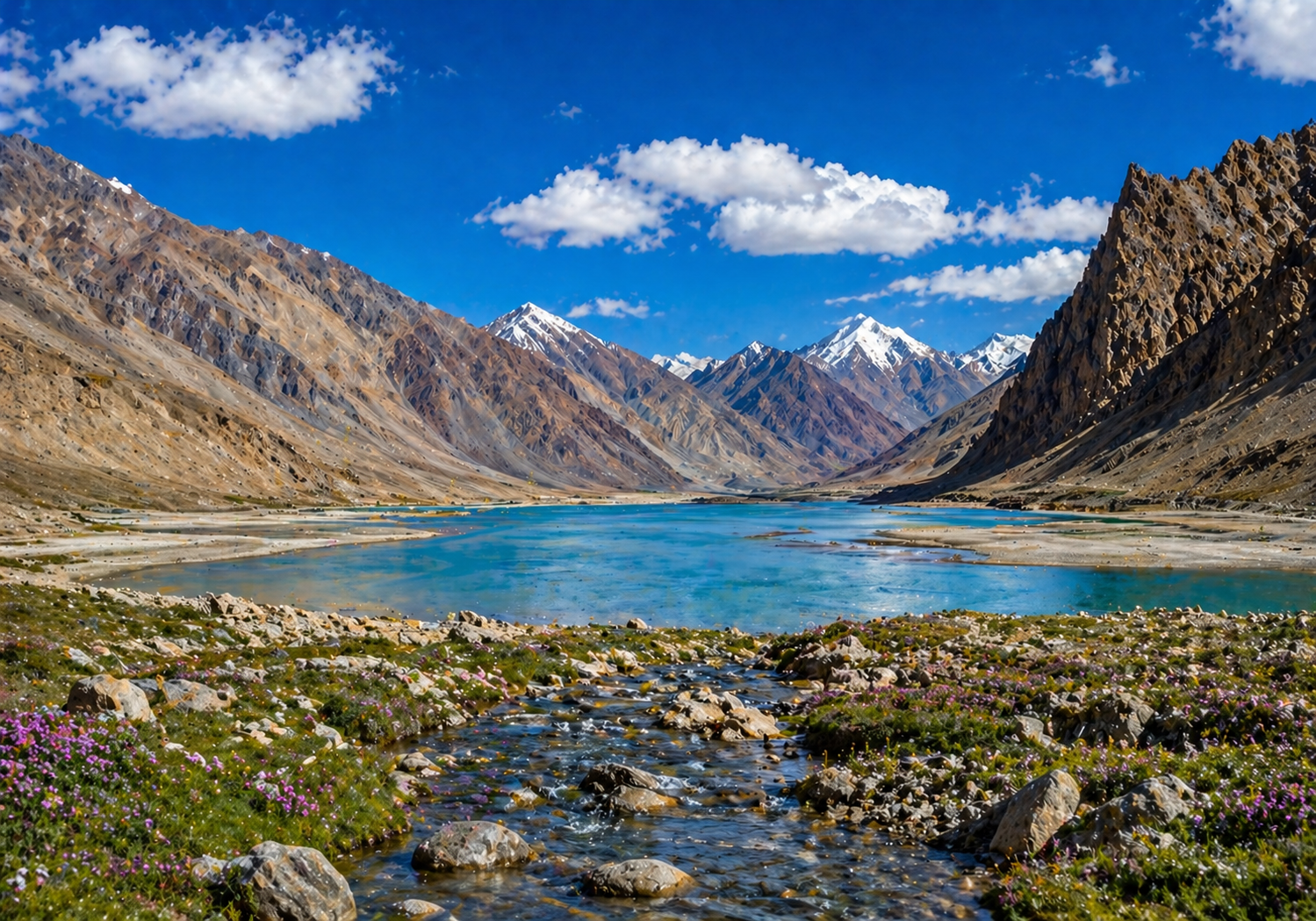
Just 15 km from Diskit, Yarab Tso is one of the most profoundly hidden places in Ladakh. This sacred Buddhist lake sits in near-complete isolation, tucked behind a rocky ridge that most visitors drive past without ever knowing it exists. The water is crystal clear, framed by barren Himalayan peaks, and the silence here is total. Yarab Tso holds deep spiritual significance in Tibetan Buddhism, and the walk to the lake is as meditative as the destination itself. Guests at Hotel Hill Crest in Hunder can reach Yarab Tso in under 30 minutes — and most days, you will be the only people there.
2. Skalzang Maney — Hunder’s Sacred Stone Wall
Standing in the middle of Hunder village, within walking distance of our hotel, Skalzang Maney is one of the most spiritually significant yet overlooked hidden places in Ladakh. This ancient wall is built from stones and slates carved with the names of the Thousand Buddhas of the current cosmic age. Considered one of the holiest sites in the entire Himalayan region — rivalling sacred sites in Tibet — it receives almost no tourist attention. For those seeking spiritual depth beyond monastery visits, this is an unmissable discovery.
3. Turtuk — India’s Last Village and a Cultural World Apart
Turtuk is one of the hidden places in Ladakh that genuinely changes perspectives. Located near the Line of Control, this former Balti village was only opened to tourists in 2010. The people here speak Balti, grow apricots in terraced orchards, and live in wooden houses that look nothing like the rest of Ladakh. Narrow lanes, cold mountain streams, and a tiny heritage museum run by local families make Turtuk an immersive cultural experience unlike any other in India. The road from Hunder takes roughly 90 minutes and passes through some of the most dramatic scenery in the Nubra region.
4. Panamik Hot Springs — Natural Healing in the High Himalayas
Situated in the northernmost accessible stretch of Nubra Valley, Panamik is one of the most therapeutic hidden places in Ladakh. The village sits on the banks of the Nubra River and is home to natural sulphur hot springs with known medicinal properties, traditionally used to treat rheumatism and muscle fatigue. After days of high-altitude travel, soaking in these springs is a genuine physical relief. Panamik also serves as a gateway to Pashmina wool weaving, and visitors can watch local artisans at work.
5. Sumur Village — Nubra’s Quietest Gem
Sumur sits just south of Panamik and is overshadowed by the more famous Hunder and Diskit. Yet it is among the most peaceful hidden places in Ladakh for slow travel. The Samstanling Monastery above the village rewards visitors with colourful frescoes and panoramic views of the Nubra River plains. The village itself is surrounded by verdant fields and berry bushes that contrast sharply with Ladakh’s arid landscape. A night in Sumur — or a half-day trip from Hotel Hill Crest — delivers a quality of calm that is difficult to find elsewhere in the region.
6. Thang Village — The Last Village of India
Thang is the northernmost inhabited village in India, just 2 km from the Line of Control. It is one of the few hidden places in Ladakh where you can look across into Pakistan-administered territory. The sense of standing at the very edge of your country is profound and unlike anything a conventional Ladakh itinerary offers. Visiting requires an Inner Line Permit and is best arranged through local operators in Hunder or Leh.
7. Hanle Dark Sky Reserve — Stargazing at the Edge of the World
Hanle, in the Changthang region, hosts India’s first dark sky reserve — making it one of the most extraordinary hidden places in Ladakh for night-sky enthusiasts. At over 4,500 metres, with zero light pollution and exceptionally dry, clear air, Hanle offers views of the Milky Way so vivid they appear painted. The Indian Astronomical Observatory here is one of the highest in the world. Hanle is a full-day drive from Nubra Valley and rewards those willing to make the journey with experiences that no other destination in India can match.
8. Dah Hanu — Ladakh’s Aryan Villages
West of Leh along the Indus River, the villages of Dah and Hanu are home to the Brokpa community — believed to be descendants of the original Indo-Aryan peoples. They are among the most culturally distinctive hidden places in Ladakh, where traditional headgear adorned with flowers, unique folk music, and ancient customs have survived intact for centuries. The contrast with the Tibetan Buddhist culture dominant elsewhere in Ladakh is stark and fascinating. Very few organised tours include Dah Hanu, making a visit here a genuinely off-road discovery.
9. Tso Moriri — The Lake That Crowds Have Forgotten
While Pangong Lake draws thousands daily, Tso Moriri in the Rupshu Valley remains one of the most beautiful hidden places in Ladakh that most travellers simply skip. Sitting at 4,522 metres, the lake is encircled by snow-capped ridges and supports an extraordinary population of migratory birds, including black-necked cranes and bar-headed geese. The nearby Korzok village offers a glimpse into the nomadic Changpa community. Tso Moriri rewards travellers who allocate an extra day in their itinerary with a serenity that Pangong lost long ago.
10. Bogdang Village — A Forgotten Balti Settlement
Located between Turtuk and Hunder along the Shyok River, Bogdang is a small Balti village that almost nobody stops at. It is one of the quietest hidden places in Ladakh — a place of apricot orchards, wooden bridges, traditional stone homes, and extraordinary mountain backdrops. There are no hotels and no tourist infrastructure, which is precisely the point. A brief walk through Bogdang offers direct contact with Ladakhi village life in its most unfiltered form.
11. Chagar Tso — The Hidden Glacial Lake on the Pangong Road
Most travellers pass Chagar Tso without even knowing it is there. This glacial lake sits just off the road to Pangong and is one of the least-explored hidden places in Ladakh. Its remote location keeps visitor numbers extremely low, and the birdlife — including a range of migratory waterfowl — makes it a quiet paradise for wildlife watchers. If you are driving to Pangong from Hunder, budget an extra hour to find Chagar Tso.
12. Lamayuru — The Moon Village of Western Ladakh
Lamayuru is one of the hidden places in Ladakh that appears almost imaginary. The village sits amid a moonscape of eroded clay formations — a result of an ancient lake bed drying over centuries. The Lamayuru Monastery, one of the oldest in Ladakh, dates to the 11th century and still houses a resident monastic community. Despite its extraordinary landscape and history, Lamayuru sees far fewer visitors than sites of comparable beauty in Leh. It lies along the Srinagar-Leh highway, making it a natural stop for those entering Ladakh by road.
13. Panikhar — The Green Heart of Suru Valley
En route to Zanskar Valley, Panikhar is one of the most visually startling hidden places in Ladakh. The Suru River flows through lush green meadows flanked by the imposing Nun and Kun massifs — a landscape so dramatically different from the brown deserts of central Ladakh that first-time visitors often stop in disbelief. Horses graze freely by the riverside, and the pace of life in the small hamlets of Sankoo and Rangdum nearby is deeply unhurried.
14. Changthang Wildlife Sanctuary — Ladakh’s Vast Unexplored Wilderness
Changthang is the largest of all hidden places in Ladakh — a plateau wilderness at over 4,000 metres stretching across to the Tibetan border. The sanctuary is home to snow leopards, Tibetan wild ass (Kiang), black-necked cranes, brown bears, and wild yak. The Changpa nomads move across this plateau with their yak and Pashmina goat herds following ancient seasonal migration routes. Few independent travellers venture into Changthang’s deeper reaches, making it one of the final true wilderness frontiers in India.
15. Uleytokpo — The River Oasis Between Leh and Alchi
Uleytokpo sits quietly between Leh and Alchi along the Indus River and is one of the most overlooked hidden places in Ladakh for those driving in from Srinagar. The village has a comparatively warmer microclimate than Leh, making it ideal for acclimatisation. Apricot trees, green fields, and a gentle stretch of the Indus make it a natural meditation spot. Eco-lodges and riverside campsites here allow guests to stargaze, meditate, or simply decompress before or after the intensity of Leh sightseeing.
Plan Your Stay at the Gateway to Nubra Valley’s Hidden Places
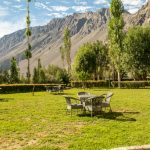
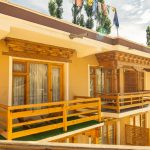
Hotel Hill Crest in Hunder, Nubra Valley, is perfectly located to serve as your base for exploring the hidden places in Ladakh described in this guide. Our garden-view rooms, Ladakhi home-cooked meals made from fresh kitchen-garden vegetables, and zero light pollution stargazing deck are designed for exactly the kind of traveller who wants to go deeper into Ladakh than the standard itinerary allows.
Our team includes local guides with knowledge of roads, permits, and seasonal access to virtually every secret spot in Nubra and beyond. Whether you want a guided walk to Skalzang Maney, an early-morning drive to Yarab Tso, or help planning a longer Turtuk or Hanle excursion, we are here to make it happen.
The hidden places in Ladakh are not reserved for the lucky few — they are for anyone willing to look just a little beyond the obvious. We are ready to help you look.
Book your stay: Hotel Hill Crest | Hunder, Nubra Valley, Ladakh — 194401
Frequently Asked Questions
Q: What are the best hidden places in Ladakh for first-time visitors?
For first-timers, the most rewarding hidden places in Ladakh are Turtuk village, Yarab Tso lake in Nubra Valley, and the Panamik hot springs. These spots are easy to reach from Leh or Hunder and offer a genuine off-the-beaten-path experience without requiring special permits.
Q: Are permits required to visit hidden places in Ladakh?
Yes, many hidden places in Ladakh require an Inner Line Permit (ILP). Nubra Valley, Turtuk, Pangong, Hanle, and Changthang all need permits for Indian nationals. Foreign tourists require a Protected Area Permit. Permits can be obtained online or at the DC office in Leh.
Q: When is the best time to explore hidden places in Ladakh?
The best time to explore hidden places in Ladakh is between May and September, when roads are open and weather is pleasant. June to August offers the widest access to high-altitude spots. Winter months (December–February) are ideal only for the Chadar Trek in Zanskar.
Q: Is Hunder a good base for visiting hidden places in Nubra Valley?
Absolutely. Hunder, where Hotel Hill Crest is located, is perfectly positioned to explore hidden places in Nubra Valley. Yarab Tso, Skalzang Maney, Sumur, Panamik, and Turtuk are all within a short drive, making Hunder the ideal base for offbeat Ladakh travel.
Q: What hidden places in Ladakh are best for photography?
The most photogenic hidden places in Ladakh include Hanle’s dark sky reserve (for Milky Way shots), the Yarab Tso sacred lake, rainbow-striped mountains near Rumtse, Panikhar in the Suru Valley, and the Skalzang Maney stone wall in Hunder. Sunrise and sunset light is exceptional at all these spots.