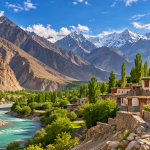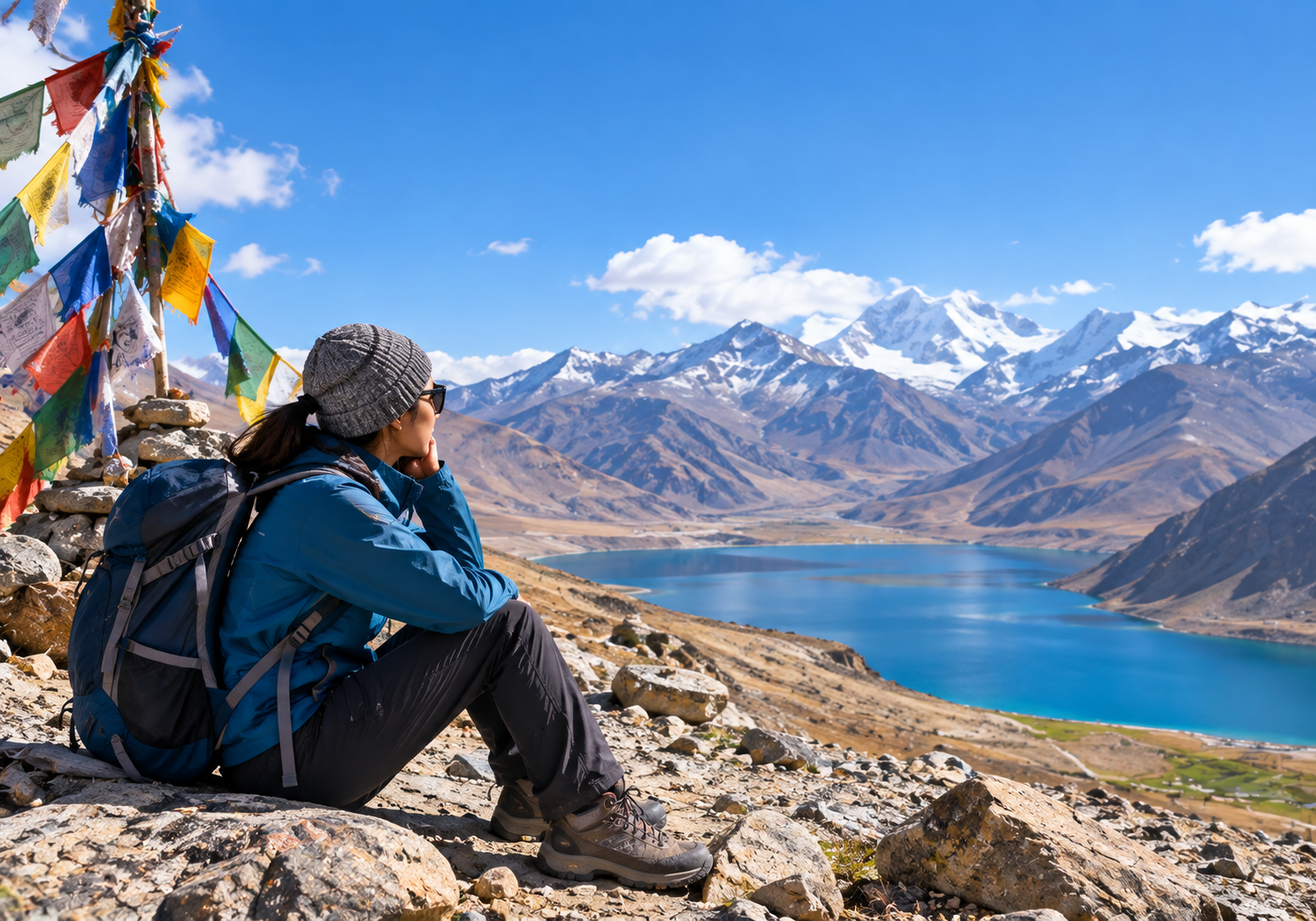

Altitude sickness in Ladakh catches many first-time travelers off guard. 🌬️ The air is thin, the views are huge, and the body needs time to adjust. This guide explains symptoms, prevention, and smart planning for a safe trip. 🧭
Our team at Hill Crest has hosted guests in Hunder, Nubra Valley, since 2021. We have watched many travelers adjust to the heights. The advice below blends that local experience with published high-altitude medical guidance. 🩺
🏡 Plan a gentle landing. Hill Crest is a private 2-acre estate in Hunder, lower than Leh. Check availability here and rest well. 🌄
🏔️ What Is Altitude Sickness in Ladakh?
Altitude sickness in Ladakh is a group of symptoms caused by low oxygen at height. Doctors call the mild form Acute Mountain Sickness, or AMS. It usually appears above 2,500 meters.
Ladakh sits far above that line. Leh town is about 3,500 meters. Mountain passes climb above 5,000 meters.
Air pressure drops as you rise. Each breath delivers less oxygen to your blood. Your body must adapt by breathing faster and making more red blood cells. This takes days, not hours. ⏳
📊 Altitude of Popular Places in Ladakh
| Place | Approx. Altitude |
|---|---|
| Leh Town | 3,500 m |
| Hunder, Nubra Valley | 3,100 m |
| Pangong Tso Lake | 4,350 m |
| Khardung La Pass | 5,359 m |
Notice that Nubra Valley sits lower than Leh. That detail helps recovery, and we return to it below. 💡
🤒 Why Altitude Sickness in Ladakh Affects So Many Visitors
Most visitors fly into Leh from Delhi in about 90 minutes. Your body goes from near sea level to 3,500 meters in one morning. That is a very rapid climb.
Road travelers face a similar risk. Our Manali to Leh road trip guide covers the passes that gain height quickly.
Fitness does not protect you. Young athletes can get hit as hard as older travelers. They tend to push on despite early warning signs. 🏃
Risk rises when you ascend too fast. Dehydration, alcohol, and poor sleep add to the danger. Past episodes of altitude illness also raise your chances.
⚠️ Symptoms of Altitude Sickness in Ladakh
Early signs often appear within 6 to 24 hours of arrival. Watch for these common symptoms:
- 🤕 Headache, usually the first sign
- 🤢 Nausea or loss of appetite
- 😵 Dizziness or light-headedness
- 😴 Unusual tiredness and weak legs
- 🌙 Poor sleep with frequent waking
- 💓 Fast heartbeat while resting
Mild altitude sickness in Ladakh feels like a bad hangover. Most people recover with rest and time. Never ignore it, though. 🛑
🚨 Danger Signs You Must Never Ignore
Rarely, altitude sickness in Ladakh turns into a life-threatening illness. Two serious forms exist.
HACE (brain swelling) brings confusion, stumbling, and extreme drowsiness. A person may walk like they are drunk. Others may notice strange behavior first.
HAPE (fluid in the lungs) brings breathlessness at rest, a wet cough, and chest tightness. Lips may turn blue or gray.
Either condition needs immediate descent and urgent medical care. Do not wait until morning. ⏰
✅ How to Prevent Altitude Sickness in Ladakh
Prevention beats treatment every time. These seven habits reduce the risk of altitude sickness in Ladakh for most travelers. 🛡️
1. 🛌 Rest completely on Day 1 and Day 2
Do not sightsee on arrival day. Walk slowly around your hotel. Sleep early. Most doctors suggest at least 48 hours in Leh before going higher.
2. 💧 Drink water all day
Aim for three to four liters daily. Dry mountain air dries you out quickly. Pale urine means you are doing well.
3. 🚫 Skip alcohol and smoking
Alcohol worsens dehydration and disrupts sleep. Smoking reduces oxygen in your blood. Wait until you have fully adjusted.
4. 📈 Climb high, sleep low
Visit high places during the day. Return to a lower altitude to sleep. Above 3,000 meters, raise your sleeping height by only 300 to 500 meters daily.
5. 🍚 Eat light and carb-rich
Choose rice, dal, soup, and rotis. Heavy oily meals feel awful at height. Warm Ladakhi thukpa is a perfect choice. 🍜
6. 🐢 Move slowly
Walk at half your usual speed. Pause often. Breathe deeply through your nose and mouth.
7. 💊 Talk to your doctor before you travel
Some doctors prescribe acetazolamide, often known as Diamox, for prevention. Dose and suitability depend on your health. Never self-medicate. Carry any prescribed medicines in your hand luggage.
🗓️ A Safe Acclimatization Plan for Ladakh
A good itinerary matters more than any pill when facing altitude sickness in Ladakh. Here is a sample plan we suggest to our guests. 🧭
- Days 1–2: Rest in Leh. Take short, slow walks only.
- Day 3: Cross Khardung La and descend to Hunder.
- Day 4: Explore the dunes and Nubra villages at 3,100 meters.
- Day 5: Travel to Pangong Tso for one night.
- Day 6: Return to Leh.
Read our Khardung La Pass guide before crossing. You spend only a short time at the top. Do not linger there. 📸
Our Nubra Valley to Pangong Tso direct route guide explains the next leg. Pangong sits higher than Nubra, so plan only one night there.
For a wider plan, see our Ladakh trip for first timers guide. It covers flights, permits, and pacing. Check the Inner Line Permit guide before you travel. 🛂
🚗 Road Travelers: Extra Care Needed
Road trips raise your risk of altitude sickness in Ladakh because they gain height fast. The Manali to Leh highway crosses several passes above 5,000 meters. Many riders skip rest days to save time. That choice is risky. ⚠️
Stop overnight at Keylong or Jispa. Keep your sleeping altitude as low as possible. Our Srinagar to Leh route guide shows a gentler, slower climb.
Bikers should read our Ladakh bike trip guide too. Cold wind and fatigue can hide early symptoms. 🏍️
🆘 What to Do If Symptoms Start
Act early. Follow these simple rules for altitude sickness in Ladakh:
- Stop climbing. Do not go higher with symptoms.
- Rest and hydrate. Sip warm water slowly.
- Avoid sleeping pills. They slow your breathing.
- Descend if symptoms worsen. Going lower is the best treatment.
- Seek medical help. Visit a doctor or SNM Hospital in Leh.
Tell your driver or host immediately. Local people understand these signs well. Your hotel team can arrange transport and help you find care. 🚑
Medical oxygen can ease symptoms in a clinic setting. It does not replace descent. Always follow a doctor’s advice.
🎒 What to Pack for High-Altitude Safety
A few small items make a big difference. 🧳
- Reusable water bottle and electrolyte sachets
- Sunscreen, lip balm, and sunglasses
- Warm layers, including a windproof jacket
- Your prescribed medicines and a basic first-aid kit
- A pulse oximeter, if your doctor recommends one
Our Ladakh packing list has a full season-wise checklist. Seasons also change your risk, so check Ladakh weather before booking. ❄️
🏡 Why Hunder Is a Gentle Base for Recovery
Hunder sits near 3,100 meters, about 400 meters below Leh. That lowers the strain of altitude sickness in Ladakh. Your body gets a little more oxygen at night. Sleep often improves here. 😴
Hill Crest hosts only one party at a time. You get silence, a private garden, and a personal host. Our chef cooks light Ladakhi meals to your taste. 🍲
Hunder is a calmer place to sleep than busy Leh. Read more in our Hunder village guide. Planning a romantic trip? See our honeymoon in Nubra Valley post. 💕
Timing matters too. Our best time to visit Ladakh guide explains each season clearly.
🧠 Common Myths About Altitude Sickness in Ladakh
Many travelers believe half-truths. These myths cause real harm. Let us clear them up. ✨
Myth 1: Fit people never suffer. Fitness helps your stamina, not your oxygen levels. Altitude sickness in Ladakh strikes athletes and beginners alike.
Myth 2: Garlic soup or tea cures it. Warm drinks feel comforting and help hydration. They do not treat altitude sickness in Ladakh.
Myth 3: A quick drink warms you up. Alcohol is risky at height. It hides symptoms and slows adjustment. 🚫
Myth 4: Symptoms vanish once you feel better. Feeling better is a good sign. Still, keep your sleeping altitude steady for another day.
🚦 Mild vs Severe: What Should You Do?
| Level | Typical Signs | Best Action |
|---|---|---|
| Mild | Light headache, tiredness, poor sleep | Rest, hydrate, stay at the same height |
| Moderate | Strong headache, vomiting, dizziness | Do not climb. Seek a doctor |
| Severe | Confusion, breathless at rest, blue lips | Descend now. Emergency care |
Use this table as a quick guide. When unsure, choose the safer option. 🛟
👨👩👧 Special Care for Kids, Seniors, and Health Conditions
Children can get altitude sickness in Ladakh too. They may not describe symptoms clearly. Watch for fussiness, poor eating, and unusual sleepiness. 👶
Senior travelers should plan extra rest days. Choose lower stays where possible. Slow itineraries work best for them. 🧓
Travelers with heart, lung, or blood pressure problems must see a doctor first. Pregnant women should also seek medical advice before booking. 🩺
Our family-friendly places in Leh Ladakh guide suggests gentle options for every age.
🧑🏫 Local Tips From Our Hunder Team
We learned these lessons from years of hosting guests at altitude. They are simple but powerful. 🌿
- Keep Day 1 free of any plan
- Sip water even when you do not feel thirsty
- Eat small, warm meals every few hours
- Tell your host about any headache early
- Ask your driver to avoid long stops on passes
These steps lower your risk. Altitude sickness in Ladakh is mostly a planning problem, not bad luck. 🍀
The same patience helps when planning budgets and routes. Our Ladakh trip from Delhi guide shares sample timelines.
❓ FAQs: Altitude Sickness in Ladakh
Q1. Can everyone get altitude sickness in Ladakh?
Yes. Age, fitness, and past trips do not guarantee safety. Altitude sickness in Ladakh depends mostly on how fast you ascend. 🏔️
Q2. How long does altitude sickness in Ladakh last?
Mild symptoms usually fade within one to three days of rest. Symptoms that worsen need urgent medical advice and descent. ⏳
Q3. Which place in Ladakh has the highest risk?
High passes and lakes carry more risk than towns. Khardung La reaches 5,359 meters. Pangong Tso sits near 4,350 meters. Spend little time at passes. 🚩
Q4. Is Nubra Valley safer than Leh for altitude?
Nubra Valley is lower, near 3,100 meters. Many travelers feel better there. Still, acclimatize in Leh first. 🏜️
Q5. Should I take Diamox for altitude sickness in Ladakh?
Only if your doctor advises it. Diamox is a prescription medicine. It does not replace slow ascent and rest. 💊
Q6. How many rest days do I need in Leh?
Plan at least two full days. Light walking is fine. Add a third day if you feel unwell. 🛌
🌟 Final Thoughts
Altitude sickness in Ladakh is common, yet it is very manageable. Go slowly, drink water, and respect early symptoms. A smart itinerary protects both your health and your memories. 🏔️
Ladakh rewards patient travelers. The thin air makes every sunrise feel earned. 🌅 Keep your budget in mind too. Our Leh Ladakh trip cost guide helps you plan.
🌄 Ready for a calm, private Nubra stay? Book Hill Crest Nubra now. Book your private suite or call 6005299209 / 9484336270. 📞