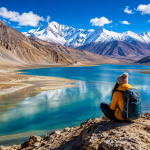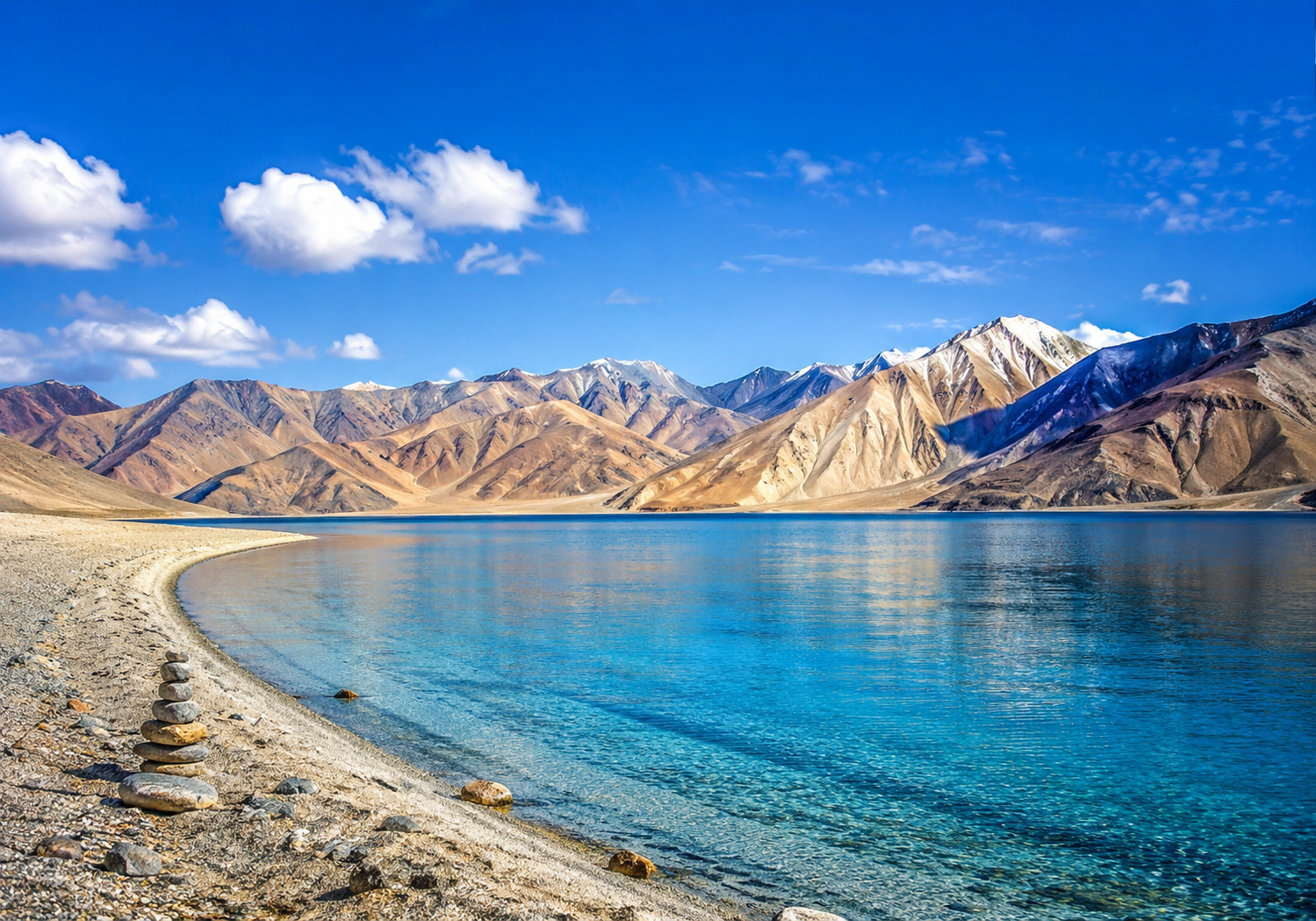

Pangong Tso Lake is one of the most breathtaking high-altitude lakes in the world. 🏔️ Stretching across Ladakh and into Tibet, this shimmering lake changes colour through the day. Blue, turquoise, and green shades ripple across its surface with every passing hour. Travellers from across the globe dream of standing beside Pangong Tso Lake at least once. This guide covers everything you need to know before you go, from routes to permits to the best viewpoints. 🌊
Why Pangong Tso Lake Is So Famous 🌟
Pangong Tso Lake sits at nearly 4,350 metres above sea level. That is higher than most mountain peaks in Europe. The lake stretches for about 134 kilometres, with two-thirds lying inside Tibet. Only one-third of Pangong Tso Lake is actually in India. Despite this, Indian travellers claim the most scenic stretch near Spangmik village.
This lake gained massive popularity after the Bollywood film 3 Idiots. The final scene was shot on its shimmering banks. Since then, thousands of visitors arrive every season just for that view. But this lake was famous long before cinema found it. Local Ladakhi communities have lived beside these waters for centuries. Buddhist monasteries and old trade routes still surround the region today.
Geologists believe the lake formed through tectonic movement millions of years ago. The surrounding mountains were pushed upward as the Indian plate collided with Asia. This slow collision created the dramatic ridgelines you see today. The water itself is brackish, meaning it is slightly salty rather than fresh. Despite this, no fish survive in these harsh, mineral-rich waters.
The lake also holds ecological importance beyond its scenery. Migratory birds like the bar-headed goose visit every summer season. Brahmini ducks and other rare species nest along the shoreline. Wildlife photographers often plan entire trips around this seasonal migration.
Best Time to Visit Pangong Tso Lake ☀️
Choosing the right season matters a lot at this altitude. May to September is the ideal window for visiting Pangong Tso Lake. Roads remain open and temperatures stay manageable during daytime hours. June and July bring the clearest skies and calmest waters.
Winter transforms the lake into a frozen sheet of white. Temperatures drop below minus twenty degrees Celsius in December and January. Only experienced travellers with proper gear should attempt a winter visit. Most hotels and guesthouses near the water close during this period.
Spring, from April to early May, offers a quieter alternative for early travellers. Snow still lingers on distant peaks while lower roads slowly reopen. Crowds remain thin, though certain routes may still face restrictions.
Monsoon rarely affects Ladakh the way it affects the rest of India. Still, occasional cloudbursts can disrupt mountain roads in August. Always check weather updates before planning your journey toward this remote region. 🌦️
How to Reach Pangong Tso Lake from Nubra Valley 🚗
Travellers staying in Nubra Valley have two route options available. The Shyok route via Durbuk is shorter and increasingly popular. It takes roughly five to six hours depending on road conditions. The older route through Chang La pass is longer but far more scenic.
Chang La stands at over 5,300 metres, making it one of the highest motorable passes. Many travellers stop here for tea and quick photographs. Acclimatization is essential before attempting this drive from Leh or Nubra.
Hiring a local driver familiar with mountain terrain is strongly recommended. Roads can be rough, narrow, and affected by sudden weather shifts. Fuel up completely before leaving, since stations are scarce beyond Leh town. Carrying extra water, snacks, and warm layers makes the journey far safer.
If you are based at our property in Hunder, reaching Pangong Tso Lake is straightforward. Our team at Hill Crest Nubra can help arrange a private vehicle for the trip. 🚙 Many guests prefer starting before sunrise to avoid midday traffic near Chang La.
Top Things to Do at Pangong Tso Lake 📸
Photography tops nearly every visitor’s list at this destination. The changing light creates dramatically different colours within a single hour. Sunrise and sunset are widely considered the most rewarding times to shoot. Bring a polarising filter if you want to capture the deepest blues.
Camping beside the lake is another unforgettable experience for many travellers. Several eco-friendly camps now operate along the Indian stretch of shoreline. Waking up beside still water with mountains reflected feels genuinely magical.
Short nature walks along the shoreline reveal fascinating rock formations and birdlife. Visitors interested in geology will notice unusual mineral deposits near the water’s edge. Local guides can point out lesser-known viewpoints away from the main crowds.
Village visits add real cultural depth to any trip toward Pangong Tso Lake. Spangmik and Merak are traditional settlements worth exploring on foot. Homestays here offer butter tea and authentic Ladakhi meals to curious travellers. Many families also share stories passed down through generations near this lake.
Where to Stay Before Visiting Pangong Tso Lake 🏨
Most travellers base themselves in Leh or Nubra Valley before continuing onward. Staying in Nubra Valley lets you combine sand dunes with your lake plans. Our boutique property, Hill Crest Nubra, offers a peaceful single-suite stay in Hunder.
Guests enjoy panoramic mountain views, warm Ladakhi hospitality, and personalised service throughout their visit. The Grand Alpine Suite comes with heating, Starlink WiFi, and organic linen for genuine comfort. It is an ideal base before an early morning departure toward Pangong Tso Lake.
We also help guests plan excursions across the wider Nubra Valley region, including Diskit Monastery and the famous sand dunes. Combining these stops with a lake visit creates a complete Ladakh itinerary in one smooth loop.
Travellers exploring beyond Ladakh sometimes extend their journey toward Himachal Pradesh. For that leg, Alooma Valley View in Manali offers a comfortable mountain stay. 🏔️ You can check current rates and reserve a room directly at the link below.
👉 Book Alooma Valley View here.
https://booking.saasaro.com/Alooma-Valley-View-Stays/TdWyoh8s5LFQuqaf/booking
Local Culture and Cuisine of the Region 🍲
Ladakhi culture blends Tibetan Buddhist traditions with resilient mountain living. Prayer flags flutter across passes, and monasteries dot nearly every hillside. Butter tea, or gur gur cha, is a warming staple offered to guests everywhere.
Thukpa, a hearty noodle soup, and skyu, a traditional pasta dish, are common local meals. Barley-based tsampa remains a filling, energy-rich food for high-altitude living. Sharing a meal with local families offers insight into centuries-old mountain traditions.
Festivals like Losar, the Ladakhi New Year, bring colourful masked dances and community feasts. If your travel dates align, witnessing local celebrations adds real depth to any trip.
What to Pack for the Trip 🎒
Layered clothing is essential given the sharp temperature swings at altitude. A windproof jacket, thermal inners, and sturdy trekking shoes are non-negotiable. Sunglasses with UV protection help against intense glare off the water.
Carry sunscreen with high SPF, since the thin air offers little protection. A basic first-aid kit and any personal medication should always travel with you. Portable power banks are useful, since charging points are rare in this area.
Estimated Budget for the Trip 💰
Costs vary depending on transport, permits, and accommodation choices along the way. A shared taxi from Leh typically costs less than a private vehicle rental. Budget camps near the shoreline are more affordable than mid-range guesthouses.
Permit fees remain relatively small compared to overall trip expenses. Most travellers spend more on fuel and vehicle hire than anything else. Planning your trip around Nubra Valley can help reduce overall travel distances and costs.
Group travel usually works out cheaper, since vehicle costs get shared among more people. Solo travellers can often join small group tours organised from Leh. Booking accommodation in advance during peak season helps avoid last-minute price surges. Carrying sufficient cash is wise, since ATMs are rare beyond major towns.
Essential Travel Tips for Pangong Tso Lake ✅
Altitude sickness is the biggest risk when visiting this region quickly. Spend at least two days acclimatising in Leh before heading further. Drink plenty of water and avoid alcohol during your first days at altitude.
Carry your Inner Line Permit, since it is mandatory for this restricted border region. Permits can be arranged online or through local travel desks in Leh. Always keep printed and digital copies handy for checkpoint verification along the way.
Network connectivity near Pangong Tso Lake is extremely limited outside of Leh town. Only postpaid connections from certain providers work reliably in this remote area. Inform family members about your itinerary before losing signal for the day.
Respect the fragile ecosystem surrounding the lake during your visit. Avoid littering and stick to designated paths near the shoreline. Small responsible choices help preserve this landscape for future travellers. 🌿
Carry a reusable water bottle instead of relying on single-use plastics. Many local operators now encourage travellers to reduce waste during high-altitude trips. Choosing eco-friendly camps and homestays also supports the local mountain economy directly.
Nearby Attractions Worth Combining With Your Trip 🗺️
A journey toward Pangong Tso Lake pairs beautifully with other Ladakh highlights. The Shanti Stupa in Leh offers panoramic views and a peaceful atmosphere for reflection. Diskit Monastery, home to a giant Maitreya Buddha statue, is another worthwhile stop.
Turtuk village near the Pakistan border showcases unique Balti culture and apricot orchards. Many travellers combine Nubra Valley, Turtuk, and Pangong Tso Lake into a single extended loop. This route captures the incredible diversity of landscapes across the Ladakh region.
Frequently Asked Questions ❓
Q1. How far is Pangong Tso Lake from Leh?
It is roughly 160 kilometres from Leh, taking about five hours by road.
Q2. Is a permit required to visit Pangong Tso Lake?
Yes, an Inner Line Permit is mandatory since it lies in a restricted border zone.
Q3. Can I visit Pangong Tso Lake in a single day from Nubra Valley?
Yes, though an overnight stay lets you enjoy sunrise views without rushing your trip.
Q4. What is the best month to visit Pangong Tso Lake?
June and July offer the clearest skies for visiting this destination comfortably.
Q5. Are there hotels directly at Pangong Tso Lake?
Basic camps and guesthouses operate seasonally, though most travellers prefer staying in Leh or Nubra Valley nearby.
Q6. Is swimming allowed at Pangong Tso Lake?
No, swimming is not permitted, since the water remains extremely cold throughout the year.
Q7. How cold does it get near Pangong Tso Lake at night?
Even in summer, night temperatures can drop close to freezing, so warm layers matter.
Final Thoughts 💙
Pangong Tso Lake remains one of the most rewarding destinations in all of Ladakh. Its shifting colours, remote location, and cultural surroundings create memories that last a lifetime. Planning your visit around Nubra Valley makes logistics simpler and adds even more scenery to your trip.
Ready to experience Ladakh at its finest? Book your stay at Hill Crest Nubra and let us help you plan an unforgettable journey to Pangong Tso Lake. 🌄