
Hunder Sand Dunes welcome you with a landscape that feels impossible. Pale silver sand stretches across a wide mountain valley, Karakoram peaks tower behind a curtain of snow, and double-humped Bactrian camels walk slowly through the evening silence. This is one of the most surreal places in all of India, and it sits quietly inside Nubra Valley in Ladakh, waiting for every traveller who makes the journey north from Leh.
This complete guide covers everything you need to plan your visit — what makes this cold desert special, the best activities, how to reach, permits, acclimatisation tips, what to pack, and where to stay for the most memorable experience.
What Makes This Cold Desert So Extraordinary?
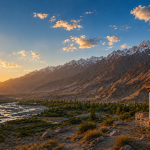
The Hunder Sand Dunes sit at an altitude of approximately 3,000 to 3,200 metres above sea level. Most people picture deserts as scorching, flat, and brown. This cold desert completely rewrites that image. Here, fine white-silver sand rises into low ridges and ripples while cold Himalayan winds sweep across the open valley. Snow-capped peaks frame every direction. The Shyok River flows along the edge of the dunes, and poplar trees and sea-buckthorn bushes break the landscape between sand and mountain.
This contrast — cold desert meeting high-altitude wilderness — makes the Hunder Sand Dunes one of the most visited and photographed places in Ladakh. The dunes form because strong winds carry sand from the riverbeds of the Shyok and Nubra rivers and deposit it across the valley floor. Over centuries, these deposits shaped the extraordinary landscape visitors experience today.
Bactrian Camel Safari — The Iconic Activity
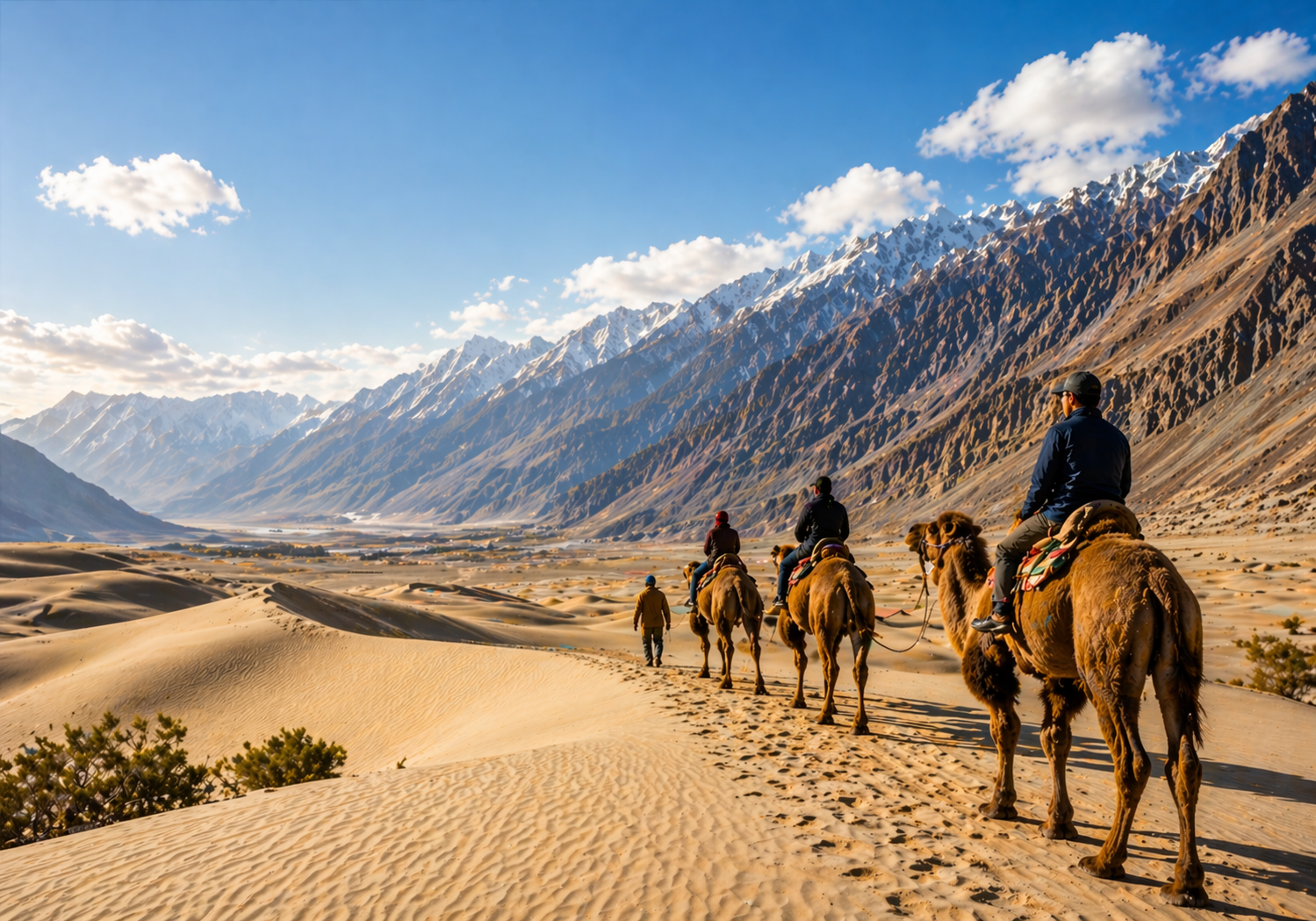
The most famous activity at the Hunder Sand Dunes is the Bactrian camel safari. These double-humped camels are direct descendants of the animals that carried goods along the ancient Silk Route through Central Asia. Local families in Hunder maintain small herds and offer rides to tourists near the dunes each season.
A standard ride lasts 15 to 20 minutes and costs approximately ₹350 to ₹500 per person. Operators typically chain three to five camels together. Riders sit between the two humps, which makes the experience surprisingly stable even for first-timers. The best time for a camel safari is late afternoon, when the sun drops low and casts long golden shadows across the sand. Photographs from this hour look spectacular.
The camel safari at the Hunder Sand Dunes suits children, families, and elderly visitors equally well. The animals are calm and accustomed to the terrain. Watch your legs carefully as the camel rises and sits — this is the moment that surprises most first-time riders.
Other Activities You Can Enjoy
The cold desert near Hunder offers more than just camel rides. Here is what else you can do during your visit:
ATV Rides: Quad bike operators near the dunes offer 15-minute rides across the sand for around ₹1,000 per person. This activity suits adventure seekers who want high energy alongside the natural beauty of the area.
Sunset Watching and Photography: The Hunder Sand Dunes deliver one of the finest sunset views in Ladakh. As the sky turns orange, crimson, and violet above the Karakoram peaks, the dunes glow with colour. Bring a wide-angle lens if you carry a camera.
Ladakhi Cultural Show: Local performers stage a traditional folk dance and music show near the dunes each evening, typically between 6:00 PM and 7:00 PM. This short performance highlights the cultural richness of the Nubra region beautifully.
Walking the Dunes Freely: You do not need to book a camel or ATV to enjoy this landscape. Simply walking across the sand rewards you with sweeping views of mountains, river, greenery, and sky. Climb to the higher crests for a full 360-degree view of the valley.
Stargazing After Dark: After sunset, the sky above the Hunder Sand Dunes becomes one of the darkest in India. Light pollution is virtually absent this far into Nubra Valley. Guests who stay overnight near the dunes consistently describe the stargazing as a life-changing experience.
Best Time to Visit
The ideal window to visit the Hunder Sand Dunes runs from May to September. Roads stay open, camel safari operators run full schedules, and the weather remains manageable.
May to early June brings cool evenings, fewer crowds, and fresh mountain air. Nights drop sharply in temperature, so carry warm layers.
June to August marks the peak tourist season. The weather is warmest, all facilities operate, and the dunes feel lively and busy especially around sunset. Expect more visitors during this window.
September sees crowds thin out while skies stay remarkably clear. Many experienced travellers consider September the finest month to visit the cold desert of Hunder — calm, cool, and beautifully lit.
October to April brings extreme cold, closure of most hotels and camps, and potential road blockages at Khardung La. A winter visit to the Hunder Sand Dunes is very difficult and not recommended for casual travellers.
One practical tip: avoid arriving at the dunes between 12:00 PM and 4:00 PM. Most camel operators take a long midday break, and a large rush of visitors from Leh arrives during this exact window. Plan for early morning or golden hour instead.
How to Reach Hunder Sand Dunes
The cold desert at Hunder sits approximately 120 to 130 kilometres north of Leh. Every route passes through Khardung La Pass, one of the highest motorable roads in the world at 5,359 metres above sea level.
By Taxi from Leh: This is the most popular way to visit the Hunder Sand Dunes. A private taxi from Leh costs approximately ₹8,000 to ₹12,000 one way. A 2 to 3-day round trip covering Nubra Valley costs between ₹12,000 and ₹20,000 depending on vehicle type and itinerary.
By Bus: Government buses run from Leh to Diskit and Hunder on select days of the week. The journey takes 5 to 6 hours. Buses are affordable but run irregularly, so confirm schedules in Leh before relying on this option.
Self-Drive or Bike: Experienced riders and drivers can reach the dunes from Leh on a rented motorcycle or car. Fuel up completely in Leh before departure — petrol stations along the route are limited.
Once you cross Diskit, the sand dunes of Hunder appear just 7 kilometres further along the road. You will spot the pale sand between the poplar trees well before you reach the main dune area.
Permits You Need
Indian nationals no longer require an Inner Line Permit to visit Nubra Valley as of 2014. Foreign nationals must obtain a Protected Area Permit before entering the region. You can arrange this through any registered travel agent in Leh for approximately ₹500. This permit covers Nubra Valley and Turtuk if you plan to travel further north.
Always carry valid photo identification at the Hunder Sand Dunes and on the road through Khardung La. Military checkpoints operate throughout this region, and officials regularly verify documents.
Acclimatisation Before You Visit
Crossing Khardung La at 5,359 metres demands respect. Travellers who fly into Leh and head straight for Nubra Valley the following day frequently experience Acute Mountain Sickness symptoms.
Spend at least two nights in Leh before crossing the pass. Drink plenty of water, avoid alcohol on the day of the crossing, and move slowly if you feel any dizziness or headache. The cold desert at Hunder sits lower than Leh at around 3,000 metres, so once you descend into the valley most travellers find their sleep quality improves noticeably.
What to Pack
- Sunscreen and sunglasses: High-altitude sun at the Hunder Sand Dunes is intense even when the air feels cold.
- A scarf or buff: Strong valley winds kick sand across the dunes regularly. A scarf protects your face and eyes effectively.
- Warm layers: Evening temperatures near the dunes drop sharply, especially from September onward.
- Cash: Card payment facilities near the dunes are unreliable. Carry sufficient cash from Leh before you leave the city.
- Water bottle: Staying hydrated at altitude is essential. Carry at least one litre per person at all times.
Where to Stay Near the Dunes
Staying overnight near the Hunder Sand Dunes transforms the entire experience. Walking out at dawn to find mist rolling across the pale sand, or stepping outside at midnight to watch the Milky Way directly overhead — these are moments that day-trippers never get to witness.
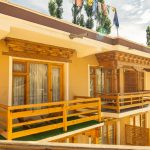
Hill Crest Ladakh in Hunder offers the most exclusive way to experience this cold desert. The property hosts only one party at a time across a private 2-acre estate. You receive a personal chef, a dedicated host, and a private guide for walks to the dunes each day. The estate sits just minutes from the Hunder Sand Dunes, and from the open terrace you enjoy zero-light-pollution stargazing every clear night.
This is not a camp or a standard guesthouse. It is a private mountain estate built for travellers who want to experience the dunes in complete comfort and total privacy — no neighbours, no shared spaces, and no compromise on the stillness that makes Nubra Valley so extraordinary.
Nearby Attractions to Pair with Your Visit
After spending time at the Hunder Sand Dunes, use your days in Nubra to explore these remarkable places nearby:
Diskit Monastery: A 14th-century monastery just 7 kilometres from the dunes. The 32-metre Maitreya Buddha statue here faces down the Shyok Valley and stands as one of the most iconic landmarks in all of Ladakh.
Turtuk Village: Located 90 kilometres beyond Hunder, this former Baltistani village only opened to tourists in 2010. Apricot orchards, Balti cuisine, and a culture unlike anywhere else in Ladakh make it worth the drive.
Yarab Tso Lake: A sacred high-altitude lake near Sumur, accessible by a short hike. The lake is peaceful, rarely crowded, and deeply significant to local Buddhist communities.
Panamik Hot Springs: Natural sulphur springs approximately 30 kilometres from Hunder. Soaking here after a full day in the cold desert provides genuine physical relief at altitude.
Final Thoughts
The Hunder Sand Dunes deliver a landscape that no photograph fully prepares you for. Standing on silver sand at 3,000 metres, surrounded by Himalayan giants, beside a river, watching a Bactrian camel walk quietly past — this is one of those rare travel moments that stays with you permanently.
Plan your visit between May and September. Arrive at golden hour. And spend at least one night near the dunes so you catch the stars, the silence, and the early morning light on the sand.
If you want to experience the Hunder Sand Dunes with full privacy, a personal guide, and a home-cooked Ladakhi meal waiting at the end of the day, Hill Crest Ladakh in Hunder is your place to book. With only one party hosted at a time, the dunes — and everything around them — belong entirely to you.
❓ Q&A
Q1. What are the Hunder Sand Dunes famous for?
The Hunder Sand Dunes are famous for their rare cold desert landscape at high altitude, Bactrian double-humped camel safaris, dramatic sunset views, and the surreal contrast of sand against snow-capped Karakoram peaks.
Q2. How do I reach the Hunder Sand Dunes from Leh?
You reach the Hunder Sand Dunes from Leh by private taxi, government bus, or self-drive via the Khardung La Pass. The journey takes approximately 5 to 6 hours and covers around 120 to 130 kilometres.
Q3. What is the best time to visit the Hunder Sand Dunes?
The best time to visit is between May and September. September offers fewer crowds, clear skies, and ideal conditions for stargazing near the cold desert.
Q4. How much does a camel ride cost?
A camel ride at the dunes costs approximately ₹350 to ₹500 per person for a 15 to 20-minute loop. Prices may vary slightly by season and operator.
Q5. Do I need a permit to visit?
Indian nationals do not need a permit to visit Nubra Valley. Foreign nationals must obtain a Protected Area Permit through a registered travel agent in Leh before entering the region.
Q6. Where should I stay near the Hunder Sand Dunes?
Hill Crest Ladakh in Hunder offers the most private and exclusive stay near the dunes. The boutique estate hosts only one party at a time, includes a personal chef and guide, and sits within minutes of the cold desert landscape.
Q7. Is visiting the Hunder Sand Dunes safe in winter?
A winter visit between November and March is very challenging. Most accommodation closes, Khardung La roads become hazardous, and temperatures fall severely. Plan your visit between May and September for a safe and comfortable experience.