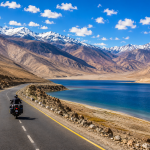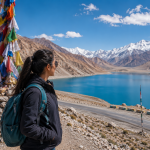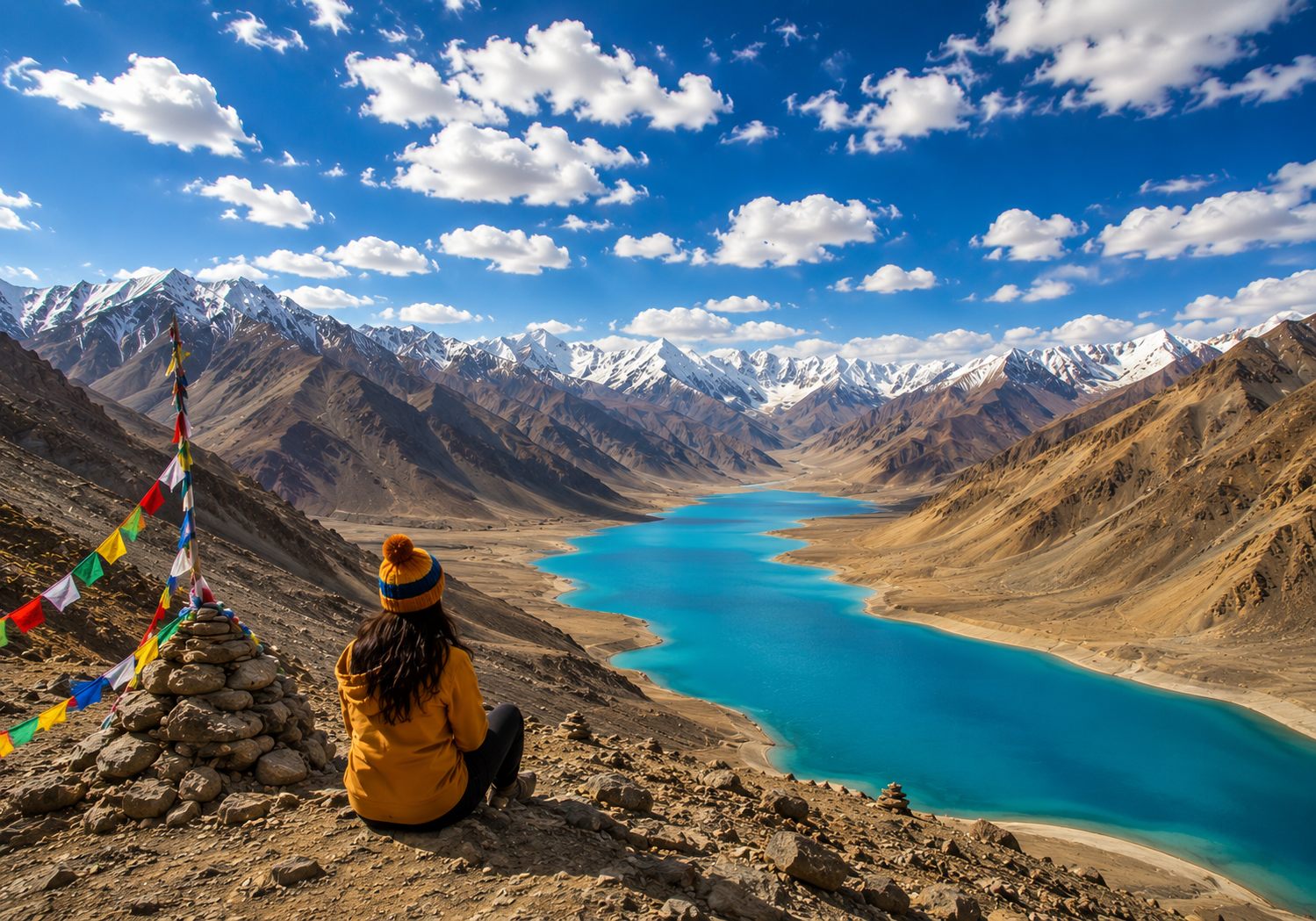

Ladakh tour is not just a trip. It is a complete rewiring of your senses. The landscapes here don’t look real. Snow-capped peaks rise above cold deserts. Turquoise lakes sit at 14,000 feet quietly. Monasteries cling to cliffsides as if defying gravity itself.
Every year, thousands of travellers plan a Ladakh tour. Yet most arrive underprepared. They underestimate the altitude. They miss the hidden gems. They rush through places that deserve entire days of stillness.
This guide changes that completely. It is built on ground-level experience, local knowledge, and genuine love for this extraordinary region. Whether you are planning your first Ladakh tour or returning for more depth — this is your most honest companion.
Read every section carefully. Your journey deserves nothing less.
🏔️ Looking for an exclusive stay in Nubra Valley? Hill Crest Ladakh in Hunder offers a private 2-acre estate for one party at a time. 👉 Contact Us Here | 📱 +91-60052-99209 | ✉️ hillcrestladakh@gmail.com Or Book Your Suite Directly — availability is extremely limited year-round.
Why Ladakh Hits Differently Than Every Other Destination
Most destinations give you beauty. Ladakh gives you perspective.
There is something about the silence here that is impossible to replicate elsewhere. The air is thin but the feeling is expansive. The roads are rough but the rewards are staggering.
A Ladakh tour forces you to be present. There is no escaping into distraction here. The landscape demands your full attention at every single moment.
Ladakh is also one of India’s most ecologically sensitive regions. Travelling here responsibly matters enormously for its long-term preservation.
The Golden Window — Best Time to Plan Your Ladakh Tour
Timing your Ladakh tour correctly is the single most important planning decision you will make.
May to September is the ideal travel window. Roads are open, weather is manageable, and attractions are fully accessible during this period.
June and July offer the most dramatic landscapes. Snow still caps the highest passes. Wildflowers bloom across Nubra Valley’s lower valleys beautifully.
August brings occasional rain but also the clearest skies for stargazing at night. The Milky Way from Nubra Valley in August is genuinely life-changing.
September is arguably the most comfortable month. Crowds thin out noticeably. Temperatures are pleasant. The golden light for photography is extraordinary.
Avoid November to March unless you are an experienced winter trekker. Most roads close completely. Temperatures drop to minus 25 degrees Celsius regularly.
How to Reach Ladakh — Your Entry Points Explained
There are two primary ways to begin your Ladakh tour.
By Air — Leh Kushok Bakula Rimpochee Airport
Leh Airport is one of the most dramatic landings in the world. Mountains surround it on every side. Flights operate from Delhi, Mumbai, Srinagar, and Chandigarh regularly.
Book flights 2 to 3 months in advance during peak season. Prices rise steeply as departure dates approach.
Important: Rest completely on your first day in Leh. Altitude acclimatisation is non-negotiable. Rushing on Day 1 risks serious altitude sickness.
By Road — The Manali-Leh or Srinagar-Leh Highway
The Manali-Leh Highway is 490 km of staggering mountain road. It crosses five high-altitude passes including Rohtang and Baralacha La. The journey takes 2 days with an overnight halt at Jispa or Sarchu.
The Srinagar-Leh Highway runs 434 km through the Zoji La pass. It offers gentler acclimatisation and passes through stunning Kargil along the way.
Both routes are bucket-list road trips in their own right entirely.
Leh City — The Beating Heart of Every Ladakh Tour
Every Ladakh tour begins and ends in Leh. This ancient trading town deserves at least 2 full days of exploration.
Leh Palace
Built in the 17th century by King Sengge Namgyal, Leh Palace towers over the entire town. Nine storeys of Tibetan architecture offer panoramic views of the surrounding valley. Entry is managed by the Archaeological Survey of India.
Shanti Stupa
This white Buddhist peace monument sits on a hilltop above Leh town. Built in 1991 by Japanese Buddhist monks, it promotes world peace actively. The 360-degree view of Leh from here at sunset is breathtaking.
Leh Market
The main bazaar in Leh is a treasure hunt. Tibetan jewellery, pashmina shawls, thangka paintings, and dried apricots fill every shop corner. Bargain respectfully and buy from local artisans directly when possible.
Hall of Fame Museum
This Indian Army museum near Leh airport honours soldiers who defended Ladakh. It is deeply moving and historically significant for every visitor.
Nubra Valley — The Crown Jewel Nobody Talks About Enough
No Ladakh tour is complete without Nubra Valley. It sits 120 km north of Leh across the Khardung La pass.
Khardung La at 5,359 metres is one of the world’s highest motorable roads. The drive itself is an experience that leaves you speechless.
Hunder Sand Dunes
Nubra Valley contains a cold desert with actual sand dunes. Double-humped Bactrian camels roam here freely. The contrast of sand dunes against snow-capped Himalayan peaks is visually surreal.
This is one of those places that makes you question whether you are still on Earth.
Diskit Monastery
Diskit is Nubra Valley’s oldest and largest monastery. A 32-metre tall Maitreya Buddha statue overlooks the entire valley from above. The monastery dates back to the 14th century and remains fully active.
Morning prayers here create an atmosphere of profound stillness and peace.
Turtuk Village
Drive further north and you reach Turtuk — one of India’s northernmost villages. It was part of Pakistan until 1971. The Balti culture, architecture, and hospitality here are completely unique in all of Ladakh.
Apricot orchards line the narrow village lanes in summer beautifully.
Pangong Tso — The Lake That Breaks Every Camera
Pangong Tso is the image that defines every Ladakh tour globally. The lake sits at 4,350 metres above sea level. Its water shifts between blue, turquoise, and silver depending on the light and hour.
The lake is 134 km long and spans both India and China. Only the western third falls within Indian territory currently.
The drive from Leh takes 5 hours via Chang La pass. The road is challenging but entirely worth every bump and pothole encountered.
Sunrise at Pangong Tso
Staying overnight near the lake for sunrise is the single best decision on any Ladakh tour. The pre-dawn stillness at the lake is sacred. Pink and gold light creeps across the water slowly. No photograph captures it fully.
Camps near Spangmik village offer basic but comfortable overnight options.
Magnetic Hill and Gurudwara Pathar Sahib — Day Trip Gems
On the Leh-Kargil highway, two stops deserve attention from every traveller.
Magnetic Hill appears to defy gravity. Vehicles placed in neutral seem to roll uphill on their own. The optical illusion is caused by the surrounding landscape’s angle. Still fascinating regardless of the science behind it.
Gurudwara Pathar Sahib was built in 1517 to honour Guru Nanak’s visit to Ladakh. The Indian Army maintains it with exceptional care and warmth. Langar (free community meal) is served here to all visitors daily without exception.
Where to Stay in Nubra Valley — Why Hill Crest Stands Apart
Accommodation shapes every Ladakh tour experience profoundly. The right stay restores you for the next day’s adventures completely.
Hill Crest Ladakh in Hunder, Nubra Valley is unlike any hotel you have experienced before. The property hosts only one party at a time on a 2-acre private estate. No shared spaces. No other guests. Just you and the mountains.
A personal host, dedicated chef, and private guide are committed solely to your stay. Authentic Ladakhi meals are prepared exactly to your preferences daily.
The property features zero light pollution stargazing from your private deck. Mountain views from every angle surround you completely. It has been operating since 2021 with a philosophy of quiet luxury and genuine care.
Check the Rooms Section for suite details. Explore Local Attractions the team recommends from their deep local knowledge base.
Availability is extremely limited. Booking 3 months in advance is strongly recommended for any season.
Responsible Travel Tips for Your Ladakh Tour
Ladakh is fragile. Your choices here have real consequences for future travellers.
- Carry reusable bottles. Plastic waste is a serious problem at high altitude.
- Respect monastery rules. Remove shoes, speak softly, and never touch religious objects.
- Hire local guides. They depend on tourism economically and know the region deeply.
- Acclimatise properly. Rush nothing on the first 48 hours after arrival in Leh.
- Buy local products. Support Ladakhi artisans, farmers, and small guesthouses directly.
For conservation guidelines, visit Ladakh Ecological Development Group. For permit requirements, check India’s e-Permit Portal before travel.
Practical Travel Essentials Before You Pack
- Inner Line Permit: Required for Nubra Valley, Pangong Tso, and Turtuk. Apply online or in Leh.
- Currency: Carry sufficient cash. ATMs are limited outside Leh town significantly.
- Connectivity: BSNL works best across most of Ladakh. Other networks are unreliable.
- Clothing: Layer heavily. Temperatures swing 20 degrees between day and night easily.
- Medications: Carry Diamox for altitude sickness. Consult your doctor before departure.
- Fuel: Fill up in Leh before heading to Nubra or Pangong. Stations are scarce beyond.
Frequently Asked Questions
Q1. How many days are ideal for a Ladakh tour?
A minimum of 7 days is recommended. 10 to 12 days allows you to explore Leh, Nubra, Pangong, and Tso Moriri comfortably without rushing.
Q2. Is a Ladakh tour safe for first-time travellers?
Yes, absolutely. With proper acclimatisation and a registered guide, Ladakh is very safe. Respect altitude and plan rest days seriously.
Q3. Do I need permits for a Ladakh tour?
Yes, Inner Line Permits are required for Nubra Valley, Pangong Tso, and certain border areas. These are easily obtained online or in Leh.
Q4. What makes Hill Crest Ladakh different from other Nubra stays?
Hill Crest hosts only one party at a time on a private 2-acre estate. You get a dedicated host, chef, and guide entirely to yourself throughout.
Q5. Is Ladakh suitable for senior travellers?
Yes, with proper planning. Fly into Leh, rest for 2 days, and avoid strenuous activity initially. Many seniors have had deeply fulfilling Ladakh experiences.
Q6. What is the best route for a first-time Ladakh tour?
Fly into Leh. Acclimatise for 2 days. Visit Nubra Valley (2 nights), Pangong Tso (1 night), and return to Leh for departure. Seven days minimum for this circuit.